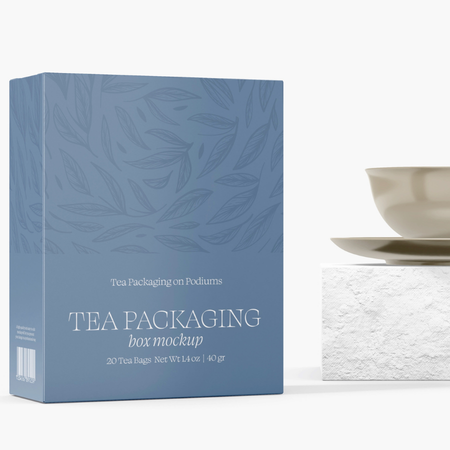
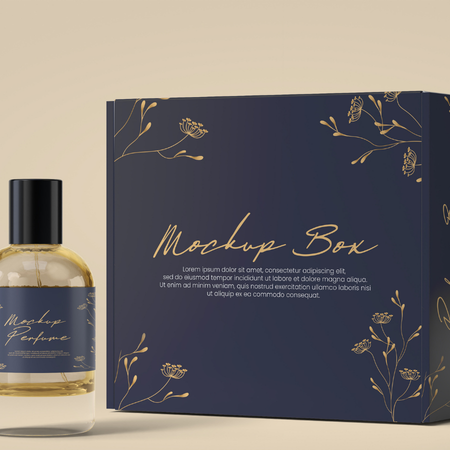
One of the primary functions of packaging is to protect products from external factors and preserve their quality. However, interactions between packaging and its contents are not always limited to visible changes. Volatile compounds migrating from packaging materials into products, or the absorption of a product’s distinctive aroma by its packaging, can alter its odour and flavour characteristics. This is an important quality consideration, particularly for food, cosmetics, and personal care products.
How Does Odour Transfer Occur in Packaging?
Odour transfer occurs when volatile chemical compounds move between packaging materials, products, and the surrounding environment. This process can take place through several different mechanisms.
Certain compounds present in packaging materials may gradually migrate into the product. Similarly, odours originating from the external environment may penetrate the packaging and reach its contents, depending on the material’s barrier properties. Conversely, the packaging material may absorb or retain the characteristic aroma compounds of the product itself.
This latter phenomenon, known as aroma scalping, can affect the intensity and balance of a product’s aroma, particularly in products with distinctive aromatic profiles.
The Impact of Material Types and Environmental Conditions
Packaging materials such as plastic, cardboard, glass, and metal interact differently with odour-causing compounds. Certain polymer structures, in particular, may exhibit a tendency to absorb or allow the permeation of specific volatile compounds.
Printing inks, adhesives, and coatings used in packaging production can also become sources of unwanted odours if they are not appropriately selected.
Temperature, humidity, storage duration, and the chemical properties of the product are additional factors influencing the extent of these interactions. For example, elevated temperatures can increase the mobility of certain volatile compounds, potentially accelerating odour transfer.
How Do Odour Changes Affect Product Quality?
When evaluating product quality, consumers consider not only appearance but also odour. Any deviation from a product’s expected odour profile can negatively influence perceived quality, even when there is no noticeable deterioration in its physical characteristics.
This effect can be particularly pronounced in product categories where aroma plays a significant role in the consumer experience, such as coffee, tea, spices, chocolate, and perfume.
However, not every change in odour necessarily indicates a safety risk. It is important to distinguish between sensory quality concerns and safety assessments relating to chemical migration.
How Can the Risk of Odour Transfer Be Reduced?
When selecting packaging, it is essential to evaluate not only its mechanical strength but also the chemical and sensory suitability of the material.
Sensory analyses, migration testing, and laboratory methods for analysing volatile compounds can be used to assess the risk of odour transfer. Furthermore, incorporating appropriate barrier layers, maintaining control over manufacturing processes, and optimising storage conditions can help minimise this risk.
Ultimately, effective packaging design aims to preserve not only a product’s physical integrity but also its distinctive sensory characteristics. Understanding the invisible interactions between packaging materials and their contents plays a crucial role in selecting the most suitable packaging solution.
At LuxBoxPack, we provide packaging solutions tailored to the evolving needs of our clients in different sectors. Contact us at +90 212 438 82 15 to get detailed information about our product range.