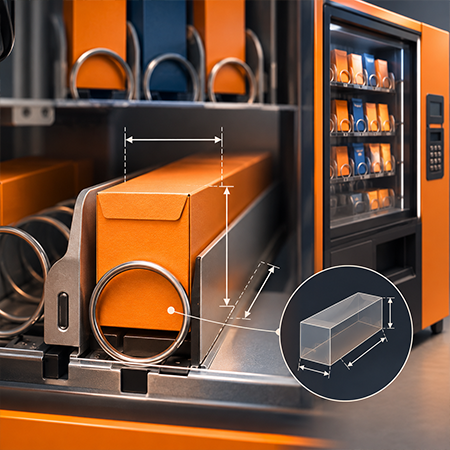
Vending machines are among the alternative sales channels that enable products to reach consumers quickly and directly. However, packaging designed for these machines must meet requirements that differ from those of traditional retail environments. A product that can be displayed on a supermarket shelf without any issues may become jammed or damaged during dispensing if its packaging is incompatible with the vending machine’s mechanical structure. Therefore, packaging design must take into account the machine’s dimensions, the product’s physical characteristics, and the dispensing mechanism.
Which Criteria Matter in Packaging Dimensions?
When designing packaging for vending machines, not only the product’s width and height but also its depth and overall geometry must be considered. The dimensions of the shelves, channels, and product compartments inside the machine directly determine how much room the packaging has to move.
For example, packaging with an appropriate width may still become stuck in the product channel due to its thickness. Similarly, packages with irregular surfaces may come into contact with other products as they move, interfering with the mechanism’s operation. Therefore, all packaging dimensions must fall within the machine’s specified tolerances.
How Does the Dispensing Mechanism Affect Packaging Design?
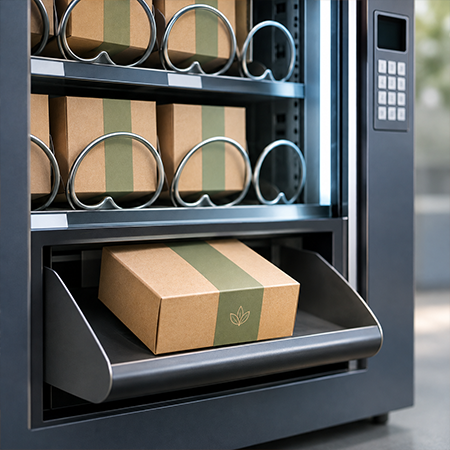
Vending machines may use different technologies, including spiral mechanisms, conveyor belts, and elevator-based dispensing systems. Each system places different demands on packaging design.
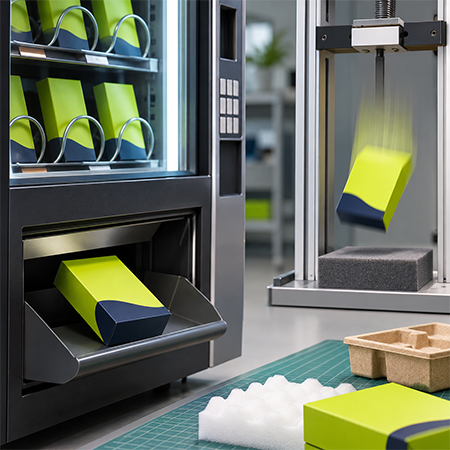
In spiral mechanisms, stable product positioning and controlled movement are essential. In conveyor belt systems, the packaging’s base structure and surface friction can affect its movement. In systems where products are dispensed through free fall, impact resistance becomes particularly important.
Consequently, packaging designed for the same product may require different structural characteristics depending on the operating principles of the vending machine in which it will be used.
Material Selection and the Physical Durability of Packaging
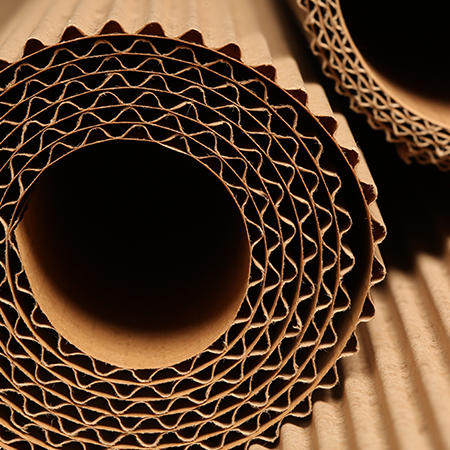
In addition to packaging dimensions, the properties of the materials used also affect machine performance. Highly flexible packaging may change shape during movement, increasing the risk of jamming. Conversely, excessively rigid or heavy packaging may cause compatibility issues with certain mechanisms.
Particularly in flexible plastic packaging, the fill volume, air space, and sealed areas can alter the package’s final shape. For cardboard boxes, factors such as corner construction, folding methods, and surface coatings must also be considered.
The Importance of Physical Testing in the Design Process
Meeting the dimensions specified in technical drawings alone is not sufficient to develop packaging suitable for vending machines. Testing under actual operating conditions helps identify potential issues in advance.
During this process, factors such as how the package fits into the product channel, its movement through the mechanism, successful dispensing, and its condition after being dropped should be examined. Different fill levels and manufacturing tolerances should also be incorporated into the testing process.
In short, packaging design for vending machines requires mechanical compatibility beyond visual appeal. Considering machine dimensions and operating mechanisms during the early stages of design helps ensure that products reach consumers safely and without complications.
At LuxBoxPack, we provide packaging solutions tailored to the evolving needs of our clients in different sectors. Contact us at +90 212 438 82 15 to get detailed information about our product range.