

Sustainability has become one of the most prominent agenda items in the packaging industry in recent years. Consumers are no longer focused solely on the product itself - they also pay attention to how it is packaged, which materials are used, and what its environmental impact is. However, this growing awareness brings with it a significant risk: greenwashing. A communication language that does not offer real environmental benefits or exaggerates those benefits can undermine the credibility of brands.
Greenwashing, in its simplest definition, is the presentation of misleading or incomplete information suggesting that a product or its packaging is environmentally friendly. Expressions such as “eco-friendly,” “environmentally conscious,” and “green” can quickly become empty claims when not supported by concrete data. Since such statements on packaging directly influence the consumer’s purchasing decision, accuracy and transparency are of great importance. Otherwise, this approach, which may aim to create a positive perception in the short term, can cause serious damage to brand reputation in the long term.
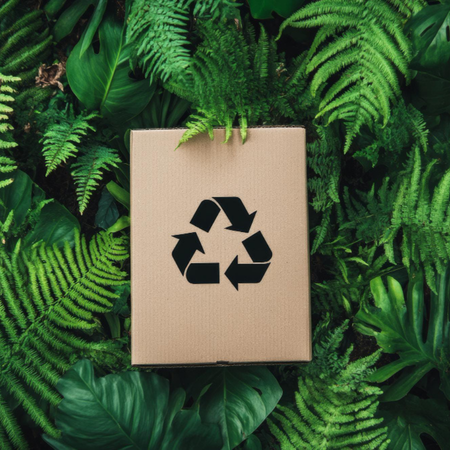
Transparency in sustainable packaging communication is not limited to telling the truth - it also requires clearly stating what has not been done. For example, the fact that a package is recyclable does not necessarily mean that it will be recycled. Similarly, communication about a biodegradable material without specifying the conditions under which it decomposes may be incomplete and misleading. Therefore, conveying technical details in a clear yet simple manner is one of the fundamental elements of building trust.
Honesty is one of the most critical pillars of this process. Consumers no longer expect brands to be flawless - they expect them to be sincere. If a packaging solution is not yet fully sustainable, sharing the journey of improvement rather than concealing it creates much stronger communication. This approach makes the brand more accessible and trustworthy, while also inviting the consumer to become part of this transformation.
Certifications and independent audits are important tools that support sustainability claims. However, the correct use of these tools is just as important as their existence. Certifications that are difficult to understand, overly complex, or used out of context can lead to confusion rather than trust. For this reason, every piece of information on packaging must be clear, understandable, and verifiable.
In summary, success in sustainable packaging communication lies not only in using environmentally friendly materials but also in communicating these efforts accurately and honestly. Brands that adopt a transparent and consistent communication language without falling into the trap of greenwashing not only gain consumer trust but also contribute to the development of a more conscious consumption culture. That once again reminds us that packaging carries an ethical responsibility in addition to being a functional tool.
At LuxBoxPack, we provide packaging solutions tailored to the evolving needs of our clients in different sectors. Contact us at +90 212 438 82 15 to get detailed information about our product range.