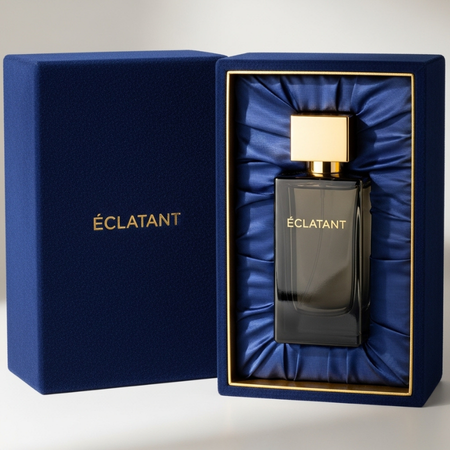
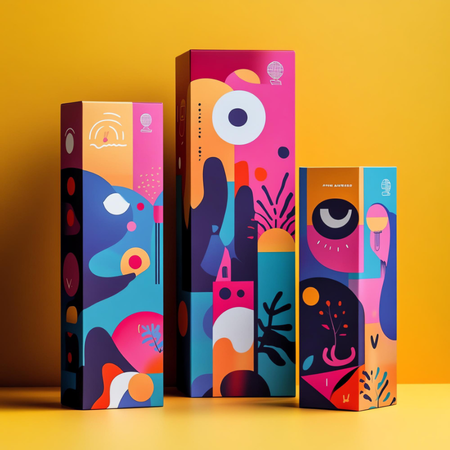
Although color selection in packaging design is often perceived as an aesthetic decision, it actually requires a strategic approach. Behind the decisions made within seconds on the shelf lie mechanisms of perception, attention, trust, and association. One of the most powerful triggers of these mechanisms is color. While the right color palette makes a product’s identity visible, incorrect choices can cause the message to become blurred.
Color Psychology and Consumer Perception
Colors have both universal and cultural effects on people. For example, shades of blue create a perception of trust, stability, and hygiene, while green is associated with naturalness, sustainability, and health. Red delivers an attention-grabbing and energetic effect, whereas black supports a premium and powerful positioning.
However, the critical point here is not selecting a single color, but creating a color palette. The balance established between the primary color, supporting tones, and accent colors determines both readability and perceptual integrity. Especially in food, cosmetics, industrial products, or e-commerce-oriented packaging, consistency must be ensured between the expectations of the target audience and the language of color.
Sectoral Codes and Category Differentiation
Every sector has developed its own color language over time. It is not a coincidence that earth and pastel tones stand out in organic products, while cool and metallic colors are prominent in technological products. These codes create a rapid recognition process related to the category in the consumer’s mind.
However, merely aligning with the category is not sufficient. On the same shelf, there may be dozens of products using similar color palettes. At this point, micro details come into play: differences in tone, contrast ratio, harmony between typography and color, and the use of whitespace. Small touches can create major differentiation.
Readability and Functionality
The primary function of packaging is to convey information accurately and quickly. Color selection directly affects the contrast between typography and background. Low-contrast combinations may appear aesthetic but can reduce readability on the shelf. Clarity is a priority, especially in ingredient information, usage instructions, and legal texts.
Additionally, printing techniques and material selection also influence color perception. Matte and glossy surfaces, kraft textures, or metallized packaging can cause the same color to be perceived differently. Therefore, a color palette determined in a digital environment should not be finalized without being tested in the production process.
Cultural and Geographic Factors
For brands operating in international markets, color preferences may vary according to cultural context. White, which evokes purity and simplicity in one country, may carry different symbolic meanings in another geography. For this reason, the cultural dynamics of the target market should be taken into consideration.
The Relationship Between Sustainability and Color
Today, the perception of sustainability is also read through color. In natural and recyclable packaging, less ink usage and simpler tones are generally preferred. This approach both reduces environmental impact and builds trust among conscious consumers.
In summary, using the right color palette in packaging is not solely related to design aesthetics - it requires a holistic evaluation of brand positioning, in-category differentiation, readability, production processes, and cultural factors. Decisions made at a micro level can be decisive in shaping perception and sales performance at a macro level. For this reason, color should be addressed as one of the most strategic components of packaging design.
At LuxBoxPack, we provide packaging solutions tailored to the evolving needs of our clients in different sectors. Contact us at +90 212 438 82 15 to get detailed information about our product range.