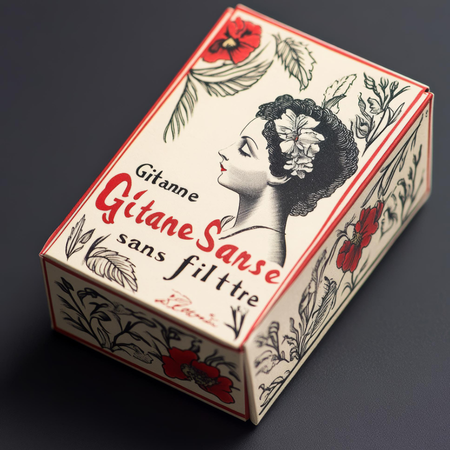
Consumer behavior today is not shaped solely by rational needs - emotions, memories, and past experiences also play a powerful role in purchasing decisions. That is precisely where nostalgia marketing comes into play. Reinterpreting aesthetic elements and emotional associations from the past enables brands to establish deeper and more lasting connections with consumers. Packaging design, as the first point of contact in this relationship, is one of the areas where nostalgic touches are most effectively felt.
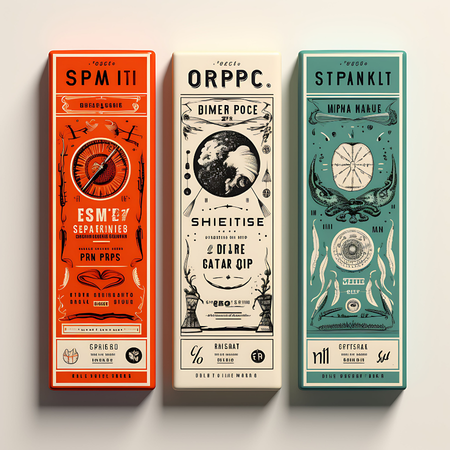
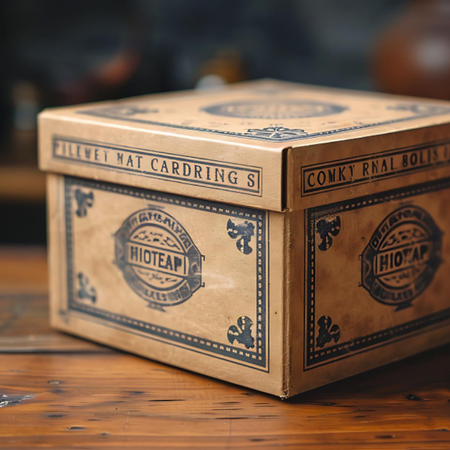
Retro designs blend the visual language of a specific era with contemporary expectations. Old-style typography, faded color palettes, vintage illustrations, or graphic compositions from past periods evoke a sense of familiarity in consumers. This familiarity triggers a feeling of trust and creates the impression that the product is “already known.” Especially on highly competitive shelves, this kind of emotional closeness makes it easier for brands to stand out.
The use of retro aesthetics in modern packaging is not merely a visual preference but also a strategic communication tool. Nostalgia creates a perception in the consumer’s mind of “simpler,” “more natural,” or “more sincere” times. That can strengthen perceptions of quality and authenticity, particularly in food, cosmetics, and personal care products. However, the critical point here is not to replicate the past exactly, but to reinterpret it through a contemporary design approach. Otherwise, the design risks being perceived as outdated and impractical.
Another key advantage of retro packaging is its contribution to storytelling. Today’s consumers seek not only products but also stories. Packaging that references the past can give a brand the impression of having a deep-rooted heritage or enrich its narrative by carrying the spirit of a particular era into the present. That creates a strong positioning opportunity, especially for new brands.
That said, it should not be overlooked that nostalgia marketing may not have the same effect across all target audiences. Different age groups form emotional connections with different time periods. Therefore, when choosing retro design elements, it is essential to analyze which era resonates with the target audience. For instance, while the 1980s may be a strong source of nostalgia for one generation, the 2000s may evoke the same effect for a younger audience.
In short, retro designs are not merely an aesthetic trend in the modern packaging world but a powerful communication strategy. When used effectively, they add emotional depth to brands, facilitate stronger connections with consumers, and enhance a product’s visibility on the shelf. However, to fully harness this power, nostalgia must be crafted with care, balance, and a clear focus on the target audience.
At LuxBoxPack, we provide packaging solutions tailored to the evolving needs of our clients in different sectors. Contact us at +90 212 438 82 15 to get detailed information about our product range.