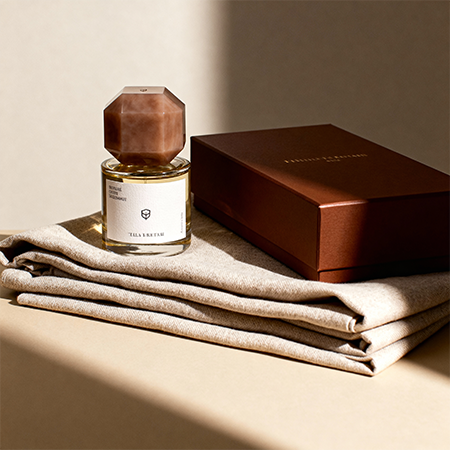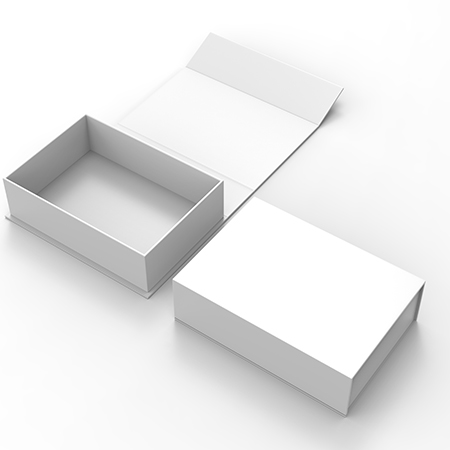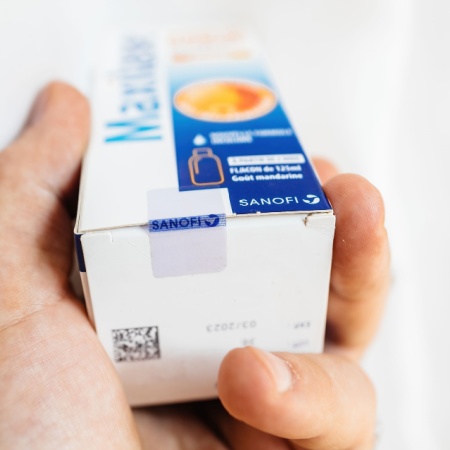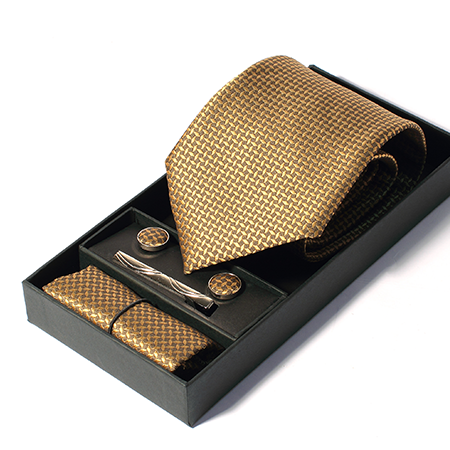
Although packaging design is sometimes regarded merely as a product’s outer surface, in reality, it is one of the most concrete and enduring carriers of the impressions a brand leaves in the consumer’s mind. Being one of the few brand elements that establish physical contact with the consumer elevates packaging to a critical position in the formation of brand memory. From the first encounter with a product to repeat purchase behavior, packaging serves as a powerful communication tool that directly influences memorability.
Brand memory relates to the extent to which a consumer recognizes a brand, can distinguish it, and positions it clearly in their mind over time. This memory often operates at a subconscious level and is nourished by visual cues. Elements of packaging design, such as colors, typography, form, texture, and material selection, create a “visual signature” of the brand in the consumer’s mind. When this signature is repeated consistently, it gradually facilitates brand recall and provides differentiation among competitors.
Continuity in packaging design is one of the cornerstones of long-term memorability. Making radical design changes in every campaign or product update may be attention-grabbing in the short term, but it can weaken brand memory. Consumers seek familiar visual codes; when these codes disappear, the mental bond they have established with the brand may also be damaged. For this reason, successful packaging designs develop the brand’s visual language in an evolutionary manner, preserving the balance between innovation and familiarity.
The tactile experience is another significant factor that strengthens the effect of packaging on memory. Matte or glossy surfaces, the way the package opens, the feel of the material used - all of these elements deepen the experience the consumer has with the product. Multisensory experiences create stronger memories than a single visual stimulus. That allows packaging to become not only a “seen” but also a “felt” point of contact.
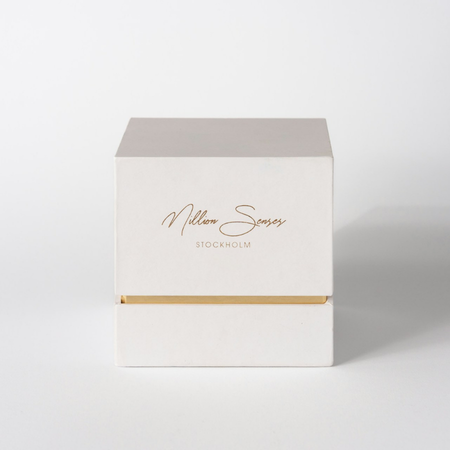
Packaging design also quietly communicates the brand’s values and personality. A simple and minimal package evokes associations of trust, transparency, and modernity, while bolder and more colorful designs can reinforce perceptions of dynamism and creativity. As these perceptual messages are repeated, a clear brand character forms in the consumer’s mind. Brand memory is strengthened through the consistent nurturing of this character.
In short, packaging design is a strategic element that determines not only product protection or shelf visibility, but also the brand’s long-term memorability. Well-conceived, consistent packaging that takes sensory experience into account contributes to brands securing a lasting place in the consumer’s mind. Overlooking the role of packaging in building brand memory means underutilizing one of the brand’s most powerful communication channels.
At LuxBoxPack, we provide packaging solutions tailored to the evolving needs of our clients in different sectors. Contact us at +90 212 438 82 15 to get detailed information about our product range.