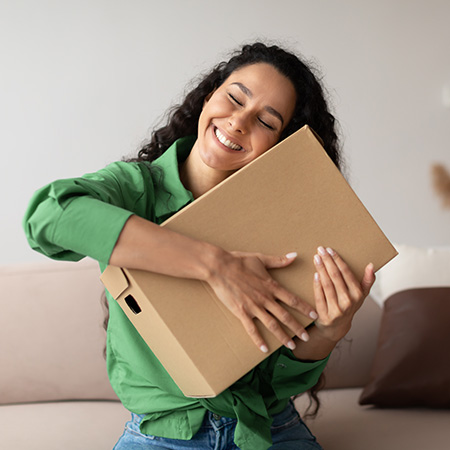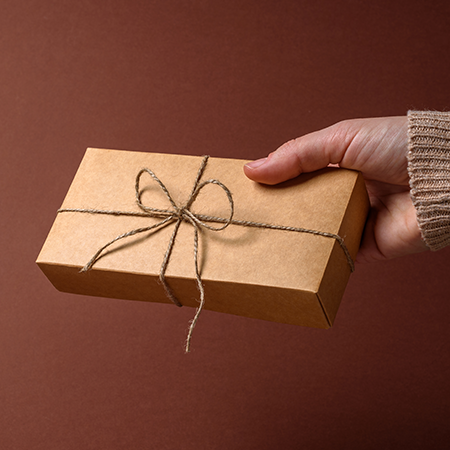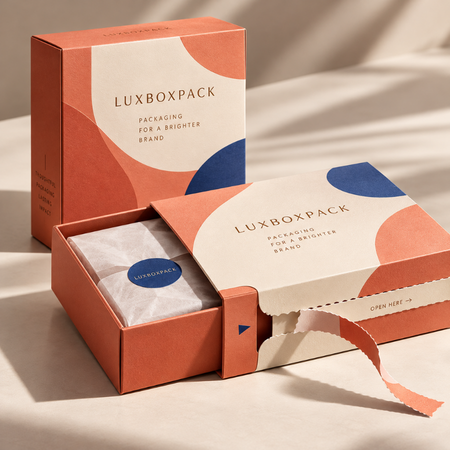
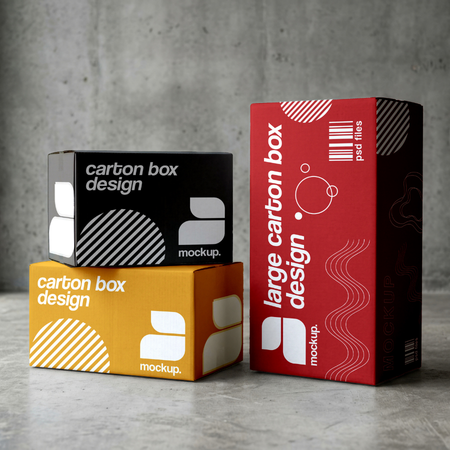
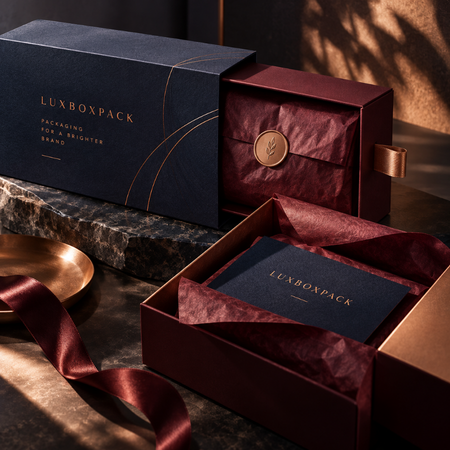
The relationship between a product and its consumer extends beyond the product itself or its external appearance. The time spent opening the packaging, removing protective layers, and accessing the product is also an important part of the overall experience. This process can influence consumers’ expectations, their perception of ease of use, and their overall satisfaction. Therefore, packaging design should consider not only how quickly a product can be accessed but also how the process feels to the user.
The Relationship Between Expectations and Waiting Time
Waiting time is one of the factors consumers use to evaluate their experience. However, perceived time does not always correspond to the actual time elapsed. Packaging that opens within seconds but requires a complicated mechanism may feel time-consuming and cumbersome. Conversely, an opening process involving several steps may feel shorter if each step is clear and easy to follow.
Expectations and uncertainty are central to this difference. When consumers can easily understand what to do next while opening a package, they can navigate the process more comfortably. Difficult-to-open lids, unclear opening points, and unnecessary protective layers can intensify the feeling of waiting. These obstacles may negatively affect the user experience, particularly when the product is needed immediately.
Is Waiting Time Always a Disadvantage?
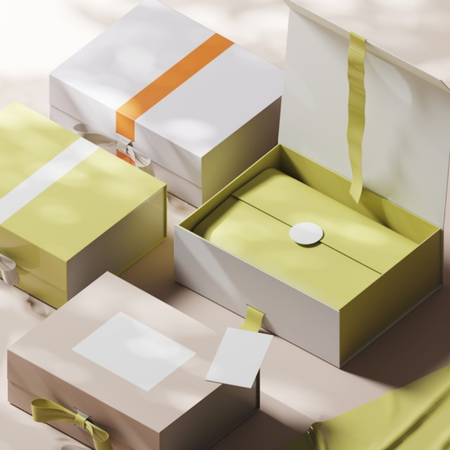
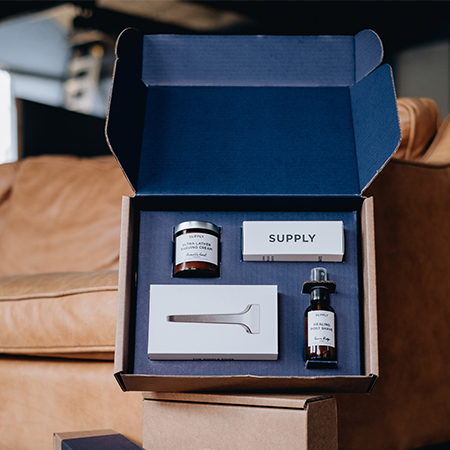
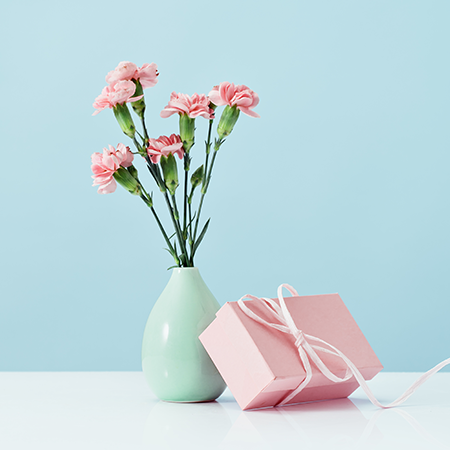
The time required to open packaging is not necessarily a drawback. For some products, a gradual opening process can become an experience that heightens anticipation. In gift packaging, luxury product categories, and special collections, revealing successive layers can sustain curiosity. Enhanced by tactile qualities, sounds, and visual details, this process can turn accessing the product into a meaningful moment in its own right.
The determining factor is whether the wait serves a purpose from the user's perspective. An opening process that gives users a sense of control, aligns with the nature of the product, and avoids unnecessary repetition can reinforce anticipation. In contrast, layers that merely delay access without serving a functional purpose may cause impatience.
How Can Time Be Managed in Packaging Design?
To improve the waiting experience in packaging, designers should first consider the context in which the product will be used. For everyday consumer products, ease of opening, practicality, and quick access take priority. For gifts or premium products, a more deliberate, staged opening experience may be preferable.
At the same time, packaging's protective, transport, and safety functions must not be overlooked. The aim is not necessarily to reduce the number of layers in every case, but to ensure that each layer serves a meaningful purpose in terms of use. Clear opening directions, easily identifiable access points, and minimal unnecessary physical effort are all important considerations.
In short, the psychology of waiting in packaging is shaped not only by time but also by expectations, control, and ease of use. A well-designed opening experience can transform the time it takes to access a product from a mere delay into a natural and meaningful part of the consumer's relationship with it.
At LuxBoxPack, we provide packaging solutions tailored to the evolving needs of our clients in different sectors. Contact us at +90 212 438 82 15 to get detailed information about our product range.