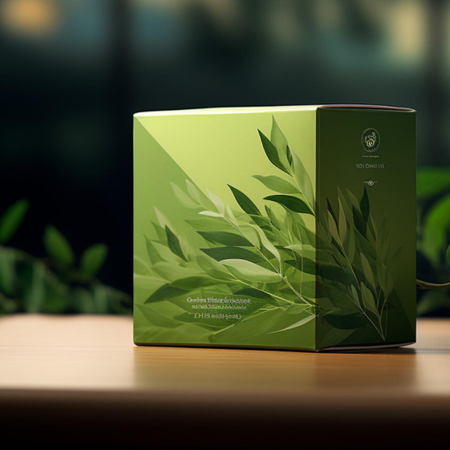
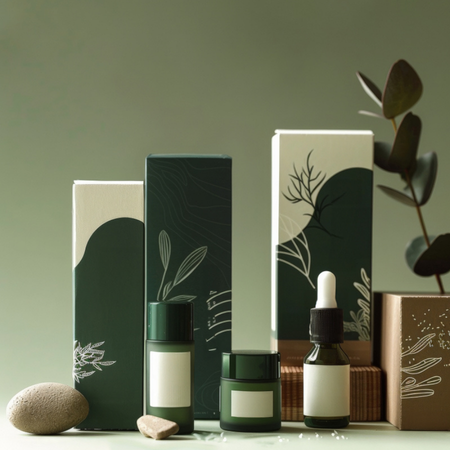
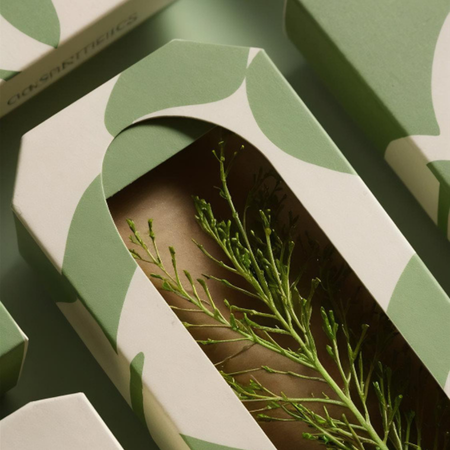
Today’s modern consumer is no longer satisfied with merely functional packaging - they also seek experiences that make them feel good and help them connect with nature. At this very point, the biophilic design approach is finding increasing resonance in the world of packaging. Rooted in the intrinsic bond between humans and nature, this approach aims to create a more intuitive and emotional interaction by placing natural forms, textures, and colors at the center of design.
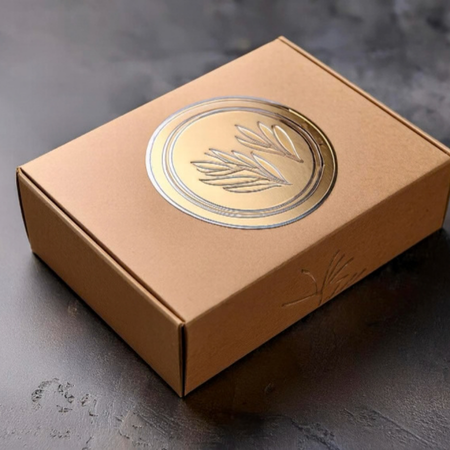
The reflection of biophilic design in packaging often goes beyond visual language. Soft lines, organic curves, and nature-inspired geometries replace rigid and sharp forms, offering users a more familiar and soothing experience. For instance, slightly rough textures used on a packaging surface or materials that evoke the feel of natural fibers create a tactile sense of closeness in the consumer. That strengthens the bond established with the product and can become a significant factor influencing the purchase decision.
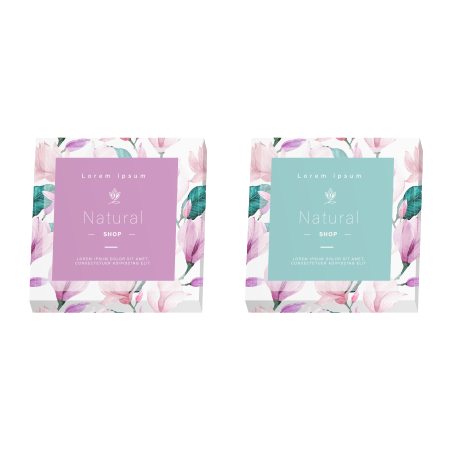
Color palettes are also an essential part of biophilic design. Earth tones, various shades of green, and colors reminiscent of natural pigments create a calming effect while reinforcing the perception of naturalness in the product. At this point, the key consideration is that these colors should be used not only as an aesthetic choice but also in alignment with the brand’s sustainability approach. Otherwise, the resulting communication may appear superficial and lack credibility.
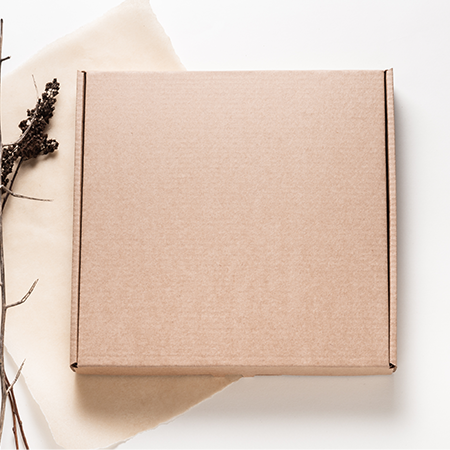
Material selection is one of the most critical dimensions of biophilic design. Recyclable, biodegradable, or minimally processed materials not only reduce environmental impact but also offer tangible value to the consumer. Options such as kraft paper, natural fiber-based composites, or surfaces with preserved textures create an experience that feels close to nature both visually and physically. Such materials reinforce the idea that packaging is not merely a carrier, but also a storyteller.
The rise of the biophilic approach is also a reflection of the transformation in consumer expectations. Today, users expect brands to communicate not only through product quality but also through their values. A design language that is respectful of nature, simple, and honest becomes a powerful tool in responding to these expectations. In this context, packaging is positioned as a silent yet effective representative of the brand.
In short, biophilic design can be considered as a harbinger of a more permanent approach in the world of packaging, going beyond being a temporary trend. Forms, textures, and materials inspired by nature offer more holistic solutions both aesthetically and functionally. While enriching the user experience, this approach also represents a meaningful step toward a more sustainable future.
At LuxBoxPack, we provide packaging solutions tailored to the evolving needs of our clients in different sectors. Contact us at +90 212 438 82 15 to get detailed information about our product range.