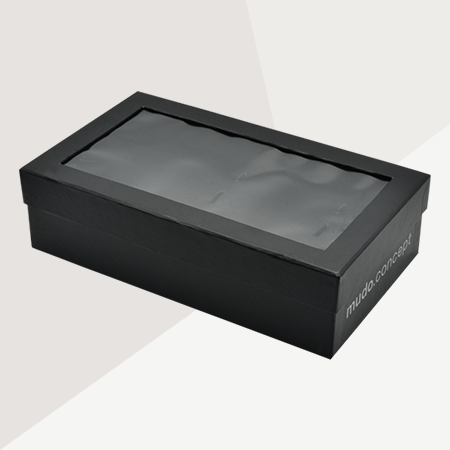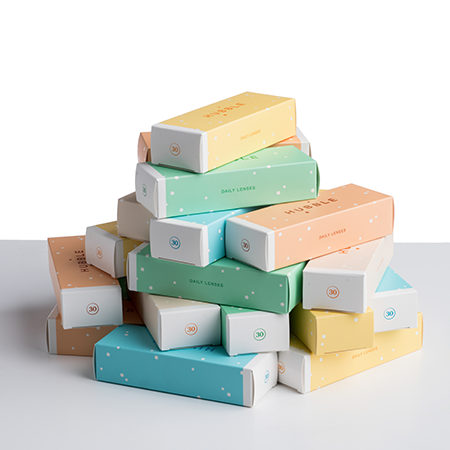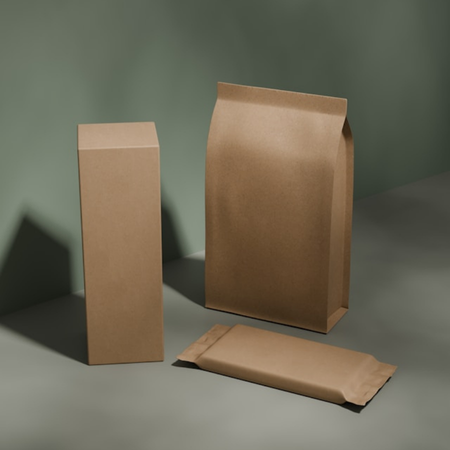
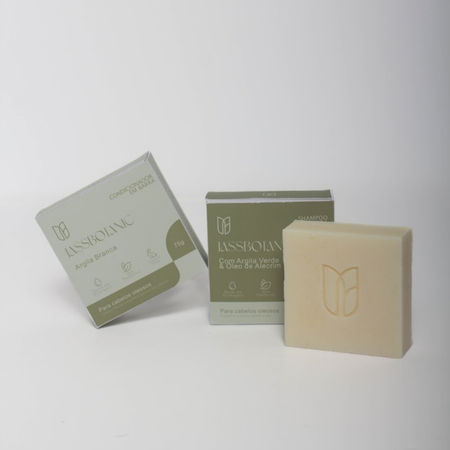
Sustainable packaging is no longer a trend - it is a core requirement positioned at the center of design and supply chain decisions. As we move into 2026, regulatory pressures, consumer expectations, and the need for cost optimization make it necessary to treat packaging not merely as a product-protection element but as a strategic component that manages environmental impact. For this reason, it is beneficial to evaluate the sustainable packaging approach systematically under several key headings.
Reduction: Saving at the Source
The first step of sustainability is not recycling, but reduction. Lowering the amount of material used is possible through lighter grammage, smarter structures, and optimized volume. Structural designs that reduce unnecessary empty space, along with properly sized boxes and secondary packaging, decrease both material consumption and logistical resource use. Lightweight packaging contributes to lower fuel consumption during transportation. This approach produces not only environmental benefits but also direct cost advantages.
Base Material Selection: The Right Material, the Right Scenario
Not every sustainable material is suitable for every product. Paper-based, biopolymer, or glass solutions should be evaluated according to shelf life, barrier requirements, and distribution conditions. From a 2026 perspective, a prominent approach is the transition from complex multi-layer structures to easier-to-recycle mono-material constructions. In addition, raw materials with a high proportion of recycled content play a critical role in reducing carbon footprint. However, material testing should be decisive to ensure that no performance loss occurs.
Cycle: Circular Design Logic
The life cycle of packaging begins at the design stage. Easily separable components, single-material use, and compatibility with standard recycling streams form the foundation of circularity. Even auxiliary components such as labels, adhesives, and caps should be selected so as not to complicate the recycling process. Circular design is based on the logic of “use–collect–transform” rather than “use–dispose.”
Accuracy of Environmental Claims
One of the most critical issues in sustainability communication is verifiability. Expressions such as “environmentally friendly,” “green,” and “eco” can be misleading when not supported by measurable data. Life cycle analysis (LCA), carbon footprint calculations, and certification systems provide reference points here. Transparent and evidence-based claims are important for both corporate credibility and regulatory compliance.
Behavior Design: Involving the User in the Process
It is not enough for packaging to be sustainable on its own - it must also be disposed of correctly. Clear recycling instructions, simple symbols, and understandable guidance directly influence user behavior. Packaging designs that are refillable, reusable, or suitable for alternative uses also reduce post-use impact.
In summary, the sustainable packaging approach requires a holistic framework that addresses material, design, logistics, and user behavior together. As we progress through 2026, solutions that create competitive advantage will be packaging models that not only cause less harm but also operate more intelligently within the system.
At LuxBoxPack, we provide packaging solutions tailored to the evolving needs of our clients in different sectors. Contact us at +90 212 438 82 15 to get detailed information about our product range.