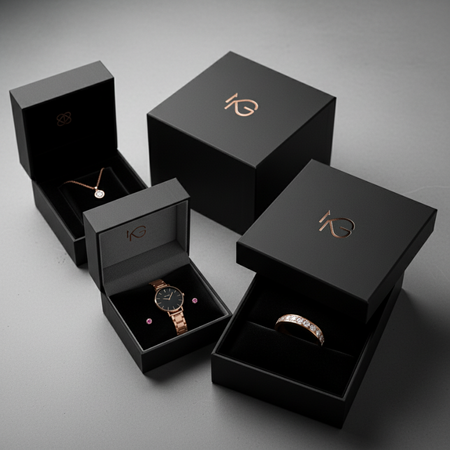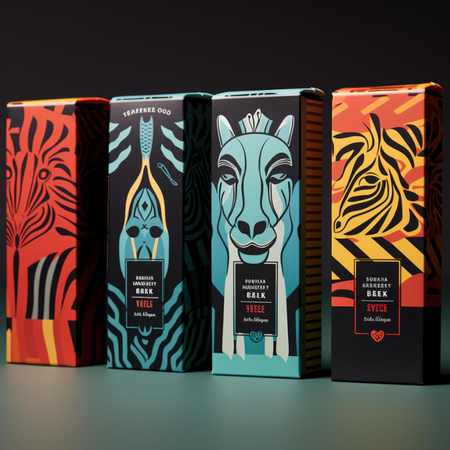
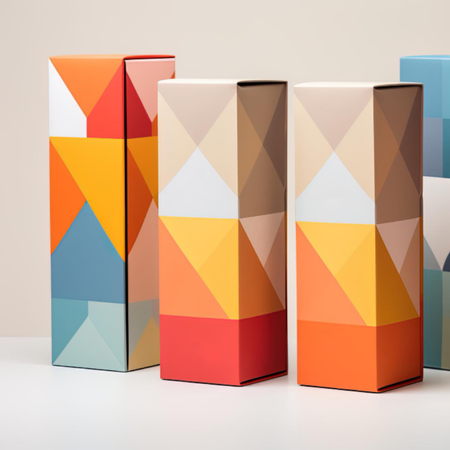
For many years, packaging design has been shaped by a combination of aesthetic intuition, design experience, and brand strategy. From color selections to typography, from surface textures to visual composition, numerous elements have emerged through the knowledge and creative approach of designers. In recent years, however, rapidly advancing AI technologies have begun to offer a new perspective on how packaging aesthetics can be designed. Today, the design process can rely not only on human creativity but also on data-driven analyses and algorithmic recommendations.
One of the most significant areas where AI contributes to packaging aesthetics is design analysis and predictive capability. Advanced algorithms can analyze millions of packaging visuals to reveal which colors, compositions, or typographic approaches attract greater attention within specific industries. As a result, design decisions can be based not only on aesthetic preferences but also on data derived from consumer behavior. In categories where shelf competition is particularly intense, such data-supported insights can provide a significant advantage.
Another significant transformation can be observed in the field of rapid design generation. AI-powered design tools can produce dozens of different packaging concepts within a short period of time. That not only accelerates the design process but also makes it possible to discover visual combinations that may not have been previously considered. For example, when a specific brand identity, color palette, or graphic language is defined, AI can generate various styles and layout alternatives using these parameters. In this way, designers gain the opportunity to evaluate numerous creative possibilities instead of concentrating on a single idea.
The impact of AI on packaging aesthetics is not limited solely to visual design. Personalized packaging experiences are also becoming an important part of this transformation. Through data analysis and consumer segmentation, it is becoming possible to produce packaging variations that appeal to different target audiences. Presenting the same product with different aesthetic approaches in different markets or to different consumer groups can strengthen a brand’s communication power.
Nevertheless, AI does not imply a future in which the design process becomes completely automated. On the contrary, the most powerful results emerge in a hybrid model where human creativity and algorithmic intelligence work together. While designers determine strategic vision, cultural context, and brand storytelling, AI provides strong support in processes such as data analysis, alternative generation, and visual optimization.
In short, AI is transforming packaging aesthetics not only in terms of speed and efficiency but also as a tool that expands the field of creative exploration. In the packaging design of the future, this interaction between intuition, data, and technology will pave the way for more striking, meaningful, and targeted design approaches. Designing tomorrow in the world of packaging is not merely an aesthetic matter - it is also closely related to the ability to interpret technology correctly.
At LuxBoxPack, we provide packaging solutions tailored to the evolving needs of our clients in different sectors. Contact us at +90 212 438 82 15 to get detailed information about our product range.