The Art of Justifying the Price: Little-Known Rules in Luxury Product Packaging
In luxury products, price is not merely the result of production costs or brand awareness. In this segment, price is the sum of perception, experience, and expectation. At this point, packaging plays a role that is at least as critical as the product itself. After all, the consumer encounters the packaging before ever touching the product. The decision-making process begins precisely there.
In the luxury segment, discussions about packaging design typically revolve around material quality, minimalism, or aesthetic details. However, the true elements that “justify” the price are often hidden within lesser-known, more refined principles.
1. Perceived Weight and Physical Assurance
In luxury packaging, a certain standard of weight is no coincidence. Heavier boxes, thicker paperboard, or magnetic closures that shut with a firm sound subconsciously reinforce perceptions of quality, durability, and value. The human brain frequently associates weight with solidity and cost. For this reason, packaging that feels light or fragile struggles to defend a premium price.
2. The Design of the Unboxing Ritual
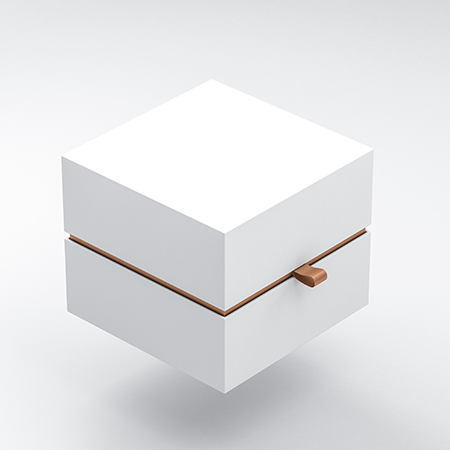
Luxury packaging is not merely a protective tool but a carefully constructed experience. A layered opening structure, a lid lifted slowly, tissue paper details, or a specially positioned product presentation: All of these elements create a “ritual.” The more controlled and fluid this ritual is designed, the greater the perceived value of the product. Because the user pays not only for the product itself, but also for the experience.
3. Strategic Use of Negative Space
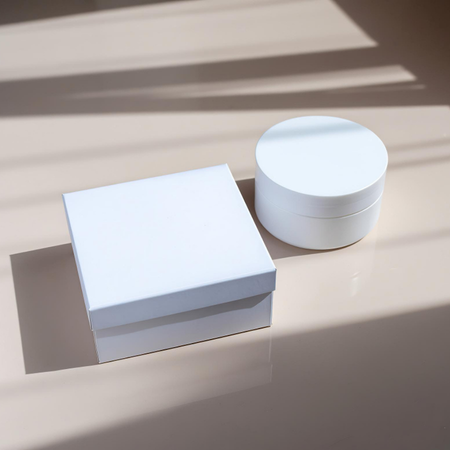
In luxury packaging, emptiness is a deliberately employed design element. Dense information, crowded graphics, and excessive messaging weaken the premium perception. Negative space allows the product to “whisper” rather than “shout,” creating a brand language that exudes confidence. In the luxury segment, the silence of design is often more powerful than loud visuals.
4. Tactile Experience and Surface Technologies
Tactile applications such as matte lamination, soft-touch coatings, embossing, and foil stamping create not only an aesthetic impact but also a neurological one. The human brain records tactile stimuli in long-term memory more powerfully. Smooth, velvety, or subtly textured surfaces mentally position the product within a “more valuable” category.
5. The Balance of Saturation in Color Psychology
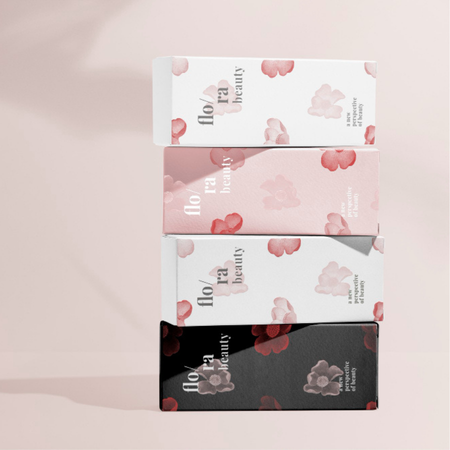
In luxury packaging, selecting a color is not merely about choosing the right tone - it is about establishing the correct balance of saturation and contrast. Overly bright and high-contrast colors create a mass-market perception, while deeper, more sophisticated, and controlled tones reinforce a sense of exclusivity. Particularly when combined with the right materials, black, deep navy, burgundy, or earthy tones elevate price perception.
6. The Perception of Flawlessness and Micro Details
In the luxury segment, there is no tolerance for error. Millimetric misalignments, low-resolution prints, cutting imperfections, or misaligned typography may go unnoticed consciously, yet they generate subconscious distrust. Behind a premium price lies an invisible yet palpable standard of perfection.
Ultimately, luxury packaging must be less about being “beautiful” and more about being persuasive. It does not struggle to defend the product’s price - it renders it natural and inevitable. From weight to space, from texture to the unboxing experience, every detail is a strategic element that shapes perception. Justifying a price is not a mathematical calculation but an exercise in perception engineering. Luxury packaging design is the most visible -and tangible- domain of that engineering.
At LuxBoxPack, we provide packaging solutions tailored to the evolving needs of our clients in different sectors. Contact us at +90 212 438 82 15 to get detailed information about our product range.
...