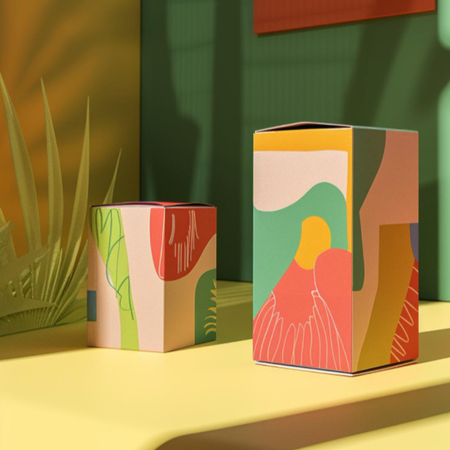
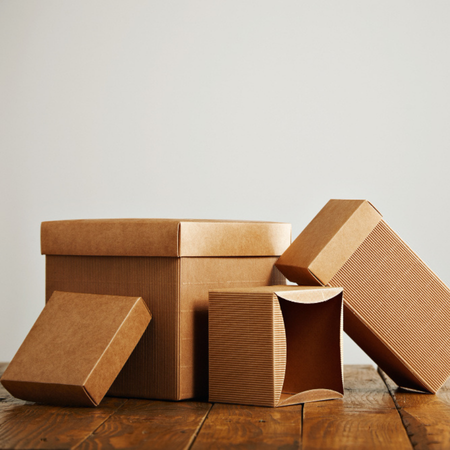
Packaging design is more than just the first point of contact with the consumer - it is a powerful narrative tool that encapsulates a brand’s world at a single glance. As of 2026, the language of this narrative oscillates between two extremes: minimalism, representing the refined power of simplicity, and maximalism, standing out with its striking intensity. These two approaches emerge not merely as aesthetic preferences but as reflections of evolving consumer expectations, cultural trends, and market dynamics.
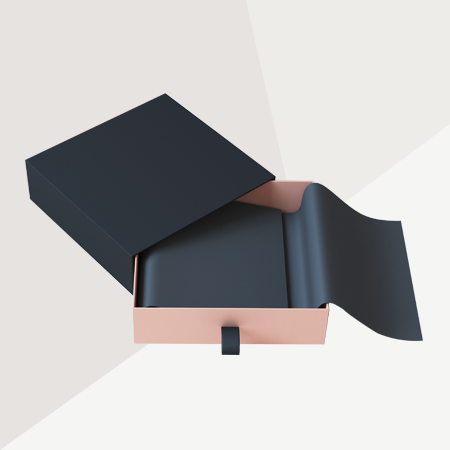
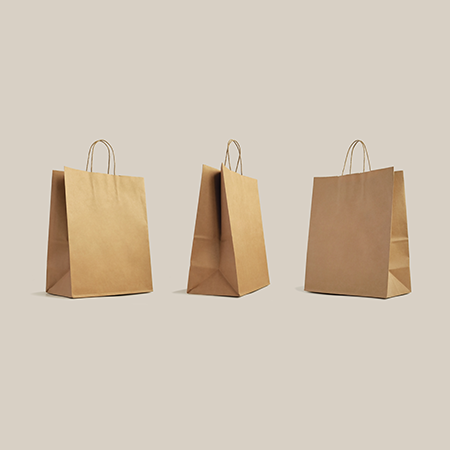
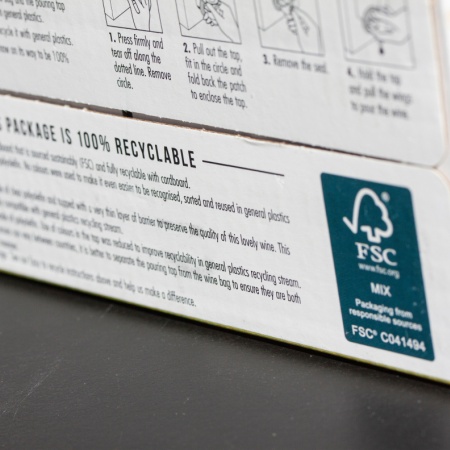
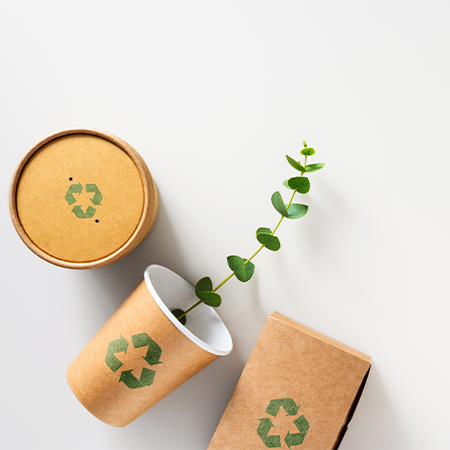
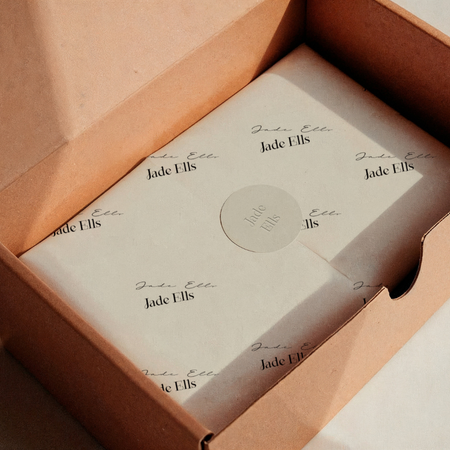
The minimalist approach to packaging has gained significant traction in recent years, particularly along the axes of sustainability and transparency. Limited color palettes, clean typography, and designs stripped of unnecessary elements convey a brand promise that is “unembellished, honest, and reliable.” This approach has secured a strong position, especially within the premium segment. Because minimalism signifies not only simplicity, but also control, quality, and confidence. Brands that trust in their product choose to say less through their packaging. In 2026, this trend deepens further with recyclable materials and mono-material designs - where aesthetic preference and functional necessity progress in parallel.
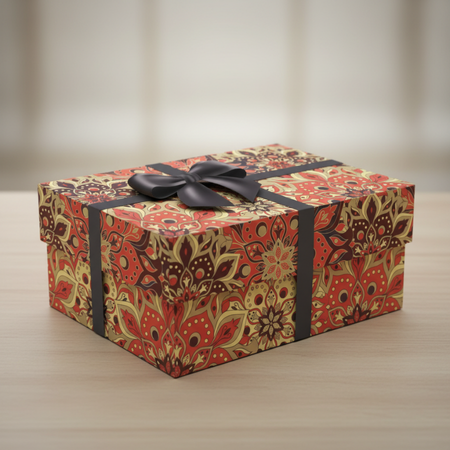
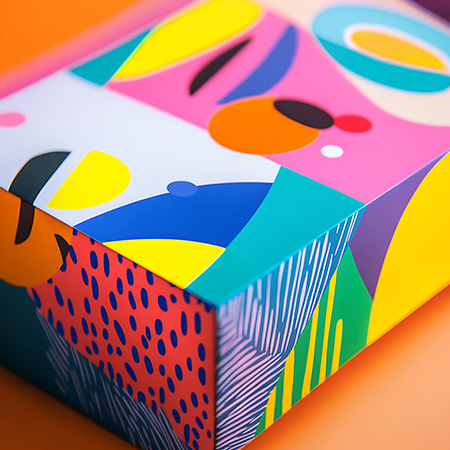
On the other hand, maximalism offers a compelling response to the speed of the digital age and the attention economy. To capture consumers who make decisions within seconds on the shelf, bold colors, layered graphics, experimental typography, and dense visual compositions come into play. For brands targeting younger audiences in particular, maximalism has become a tool for “turning up the visual volume.” In 2026, this approach goes beyond mere aesthetic excess - it is positioned as a form of expression enriched by cultural references, bringing storytelling directly onto the surface of the packaging. Street culture, retro influences, and digital art aesthetics are among the primary sources feeding maximalist packaging.
What is particularly noteworthy is that these two approaches are no longer separated by sharp boundaries. In the packaging landscape of 2026, hybrid aesthetics are coming to the forefront. A single striking graphic emerging from a clean background, or an unexpected typographic accent within a minimal composition… Brands are establishing more layered communication by balancing the reassuring structure of minimalism with the attention-grabbing elements of maximalism. That transforms packaging into a tool that not only stands out on the shelf but also strengthens brand perception over the long term.
Behind this aesthetic transformation lies not only design trends but also consumer psychology. In a world of increasing uncertainty, some consumers seek simplicity and order, while others gravitate toward visual richness and a sense of escapism. Packaging design is thus compelled to develop a flexible language capable of addressing both needs simultaneously.
In summary, 2026 stands out not as a year where minimalism and maximalism compete, but where they transform one another. The winners are not those who adopt a single aesthetic approach, but those brands that successfully strike the right balance between these two extremes. Because today’s packaging is no longer designed merely to “look good,” but to exist with the right intensity, in the right place, and with the right message.
At LuxBoxPack, we provide packaging solutions tailored to the evolving needs of our clients in different sectors. Contact us at +90 212 438 82 15 to get detailed information about our product range.