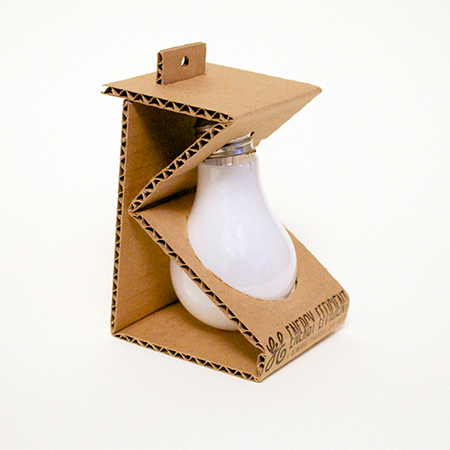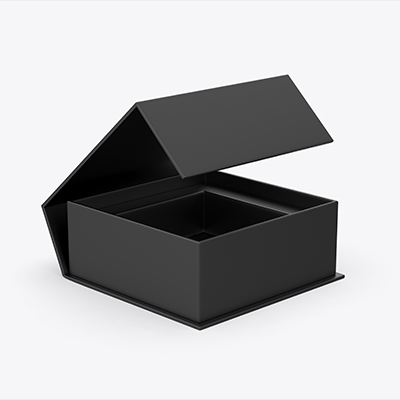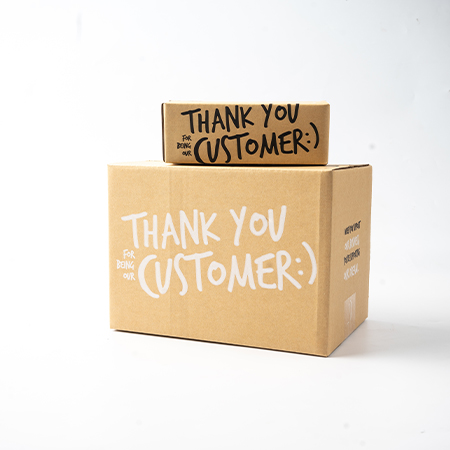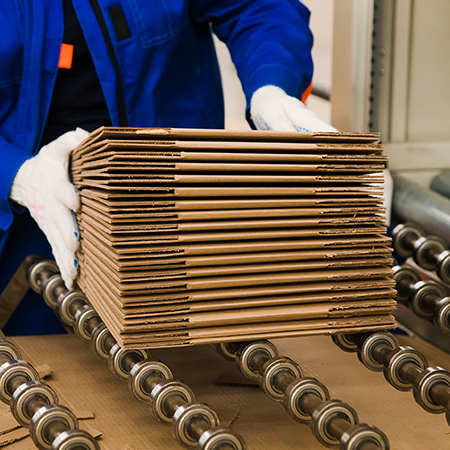
For a long time, purchasing decisions were viewed primarily as the result of rational evaluation. Today, however, we know that much of consumer behavior is shaped less by conscious analysis and more by intuitive and emotional responses. It is precisely at this point that packaging steps in - not merely as a protective tool, but as one of the most critical components of decision architecture. Within just a few seconds at the shelf, packaging can create a perception, an emotion, and often a choice in the consumer’s mind.
Emotional triggers form the unseen yet most impactful layer of packaging design. Colors, typography, texture, material, and even the unboxing experience are crafted to elicit specific emotional responses. For example, warm colors evoke energy and appetite, while cool tones convey trust and simplicity. Matte finishes create a sophisticated perception, whereas glossy surfaces communicate dynamism and accessibility. Although consumers may not consciously register these elements, they play a powerful guiding role at the moment of decision.
The purchase journey has evolved from a linear process into a multi-layered experience. Consumers encounter packaging not only on physical store shelves but also across digital platforms. That requires viewing packaging not just as a physical object, but as a visual communication tool. Even a small preview image in e-commerce must capture attention, while tactile experiences in-store directly influence the perceived value of the packaging. This dual experience necessitates more strategic aesthetic and functional decisions in packaging design.
Another crucial dimension of emotional triggers is storytelling. Consumers today are not just buying a product - they want to be part of a narrative. Visuals, text, and design language on the packaging must convey the brand’s identity and values within seconds. Stories that are authentic, local, or emphasize sustainability create stronger bonds with consumers, often leaving a more lasting impression than the product’s functional features.
At the same time, decision architecture involves more than emotional appeal - it also encompasses guidance and facilitation. The hierarchy of information, readability, and visual flow on packaging allows consumers to quickly understand the product and feel confident in their choice. Overly complex or cluttered packaging increases cognitive load and can reduce purchase likelihood, whereas a clear, comprehensible, and well-structured design accelerates the decision process.
In conclusion, packaging serves as a silent yet highly effective guide in the purchase journey. A well-crafted design, enriched with emotional triggers, not only captures attention but also prompts action. In today’s competitive environment, the differentiating factor lies not merely in protecting the product but in creating packaging that resonates in the minds and emotions of consumers.
At LuxBoxPack, we provide packaging solutions tailored to the evolving needs of our clients in different sectors. Contact us at +90 212 438 82 15 to get detailed information about our product range.