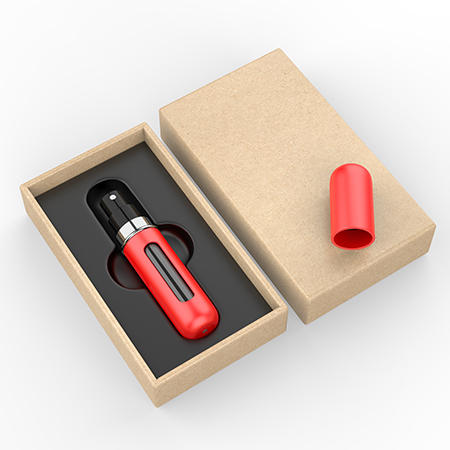

In packaging design, the topics most often prioritized are color, typography, and material selection. However, there is another fundamental element that deeply influences consumer perception: form. Whether a package is angular or rounded, whether it features sharp edges or soft transitions directly affects how the product is perceived, what emotions it evokes, and what kind of usage expectations it triggers. The language of form is one of the quietest yet most powerful tools of visual communication.
Sharp lines generally create a perception of power, clarity, speed, and technology. Angular forms evoke associations with engineering, durability, and performance. For this reason, harder transitional form structures are frequently preferred in the packaging of energy drinks, technology accessories, automotive sub-products, and items intended for professional use. The consumer mind reads sharp lines as “assertive” and “decisive.” Such forms present a stronger stance on the shelf and provide an advantage in attracting attention. However, they also carry the risk of producing a distant and cold perception.
Soft and rounded lines, on the other hand, evoke a sense of trust, comfort, and accessibility. Packaging forms with organic transitions suggest human touch and naturalness. Therefore, more oval and fluid forms stand out in food, personal care, baby products, and wellness categories. Rounded corners make a product appear psychologically “safer” and “more friendly.” They also strengthen the perception of ergonomics; they look easier to hold. That shapes expectations of the usage experience even before the product is physically touched.
The psychology of form serves not only an emotional but also a directional function. Sharp lines advance eye movement through quicker directional changes. That creates a dynamic and energetic visual reading. Soft lines help the eye move more fluidly across the surface. As a result, the information hierarchy is perceived as calmer and more balanced. When the language of form is aligned with the graphic layout on the packaging, message readability increases.
Cultural codes also play a role in form perception. In some markets, angular and hard forms are associated with premium and technical quality, while in others, excessive hardness may create a perception of “inaccessibility.” Similarly, overly soft forms may not appear sufficiently strong in certain categories. Therefore, form selection should be evaluated together with target audience expectations and product positioning.
In short, packaging form is not merely an aesthetic preference but a strategic decision that governs perception. The hardness or softness of lines determines the product’s character, the experience it promises, and the first relationship it establishes with the user. The right language of form transforms packaging from merely a protective tool into a silent narrator.
At LuxBoxPack, we provide packaging solutions tailored to the evolving needs of our clients in different sectors. Contact us at +90 212 438 82 15 to get detailed information about our product range.