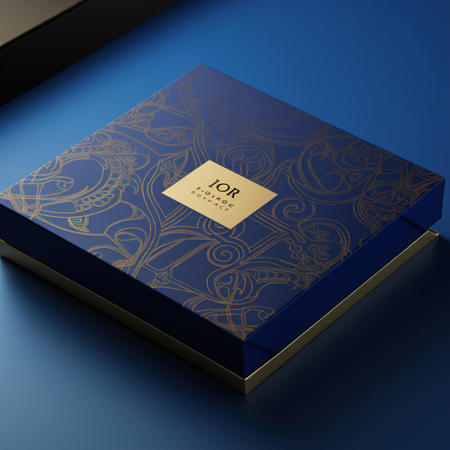
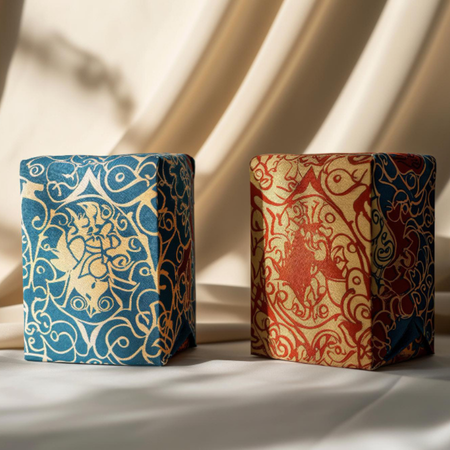
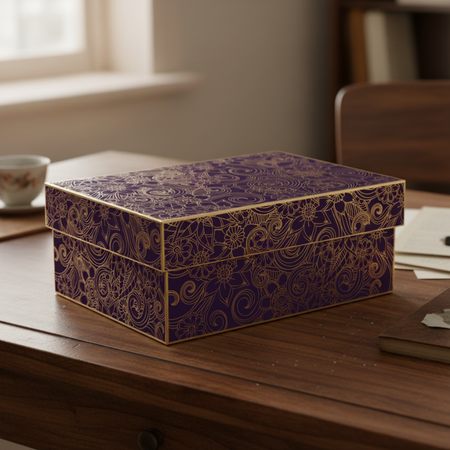
Packaging design is not merely an expression of aesthetic choices - it is also a medium through which cultural accumulation, geographical memory, and historical continuity are revealed. In this context, Anatolian patterns move beyond being simple visual ornaments in packaging design and become carriers of a deeply rooted identity narrative. Bearing the traces of thousands of years of civilizations, the geography of Anatolia offers brands a powerful, authentic, and distinctive narrative ground through its language of patterns.
The fundamental strength of Anatolian patterns lies in their rich symbolism. From kilim motifs to tile ornaments, from geometric forms to vegetal embellishments, this visual language embodies concepts such as abundance, protection, continuity, belonging, and balance. Each motif used on packaging conveys these meanings to the consumer, consciously or unconsciously. That transforms packaging into not merely a visual surface, but a cultural storyteller.
Another prominent aspect of these patterns in packaging design is their timelessness. Anatolian motifs possess an aesthetic understanding that transcends period-specific trends. When combined with modern design approaches, they establish a balanced bridge between the past and the present. Traditional patterns supported by minimal typography can convey a stance that is both contemporary and deeply rooted. This synergy becomes a strong point of reference, particularly for brands in search of identity.
Geographical belonging is one of the most distinctive values that Anatolian patterns bring to packaging. In a world where similar visual languages are repeatedly reproduced on a global scale, local motifs give brands a distinctive character. This character communicates not only “where it comes from,” but also “what it is grounded in.” In this way, packaging subtly yet effectively emphasizes the product’s origin.
A significant consideration in the use of Anatolian patterns is restraint and the manner of interpretation. A literal and excessive application of these motifs can turn packaging into a purely decorative object. Contemporary packaging, however, requires these patterns to be interpreted, simplified, and applied in a contextually appropriate way. While the essence of the pattern is preserved, its form is updated, allowing tradition to become a natural component of modern design.
In short, Anatolian patterns are not merely a visual choice in packaging design - they are a strategic design element that brings together cultural memory, geographical identity, and narrative power. When handled thoughtfully, packaging does more than wrap the product - it carries the story of the land it belongs to through a refined and elevated language.
At LuxBoxPack, we provide packaging solutions tailored to the evolving needs of our clients in different sectors. Contact us at +90 212 438 82 15 to get detailed information about our product range.