
For many years, packaging design was primarily addressed through functional needs, such as protection, transportation, and shelf organization. Today, however, rising raw material costs, sustainability expectations, and the need for logistical efficiency have brought the mathematical and structural aspects of packaging to the forefront. At this point, the concept of “smart geometry” forms the foundation of packaging approaches aimed at minimal resource use.
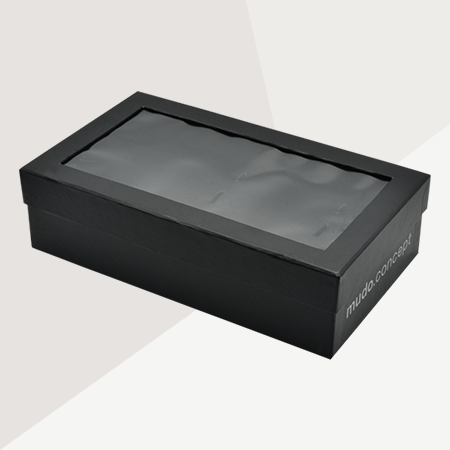
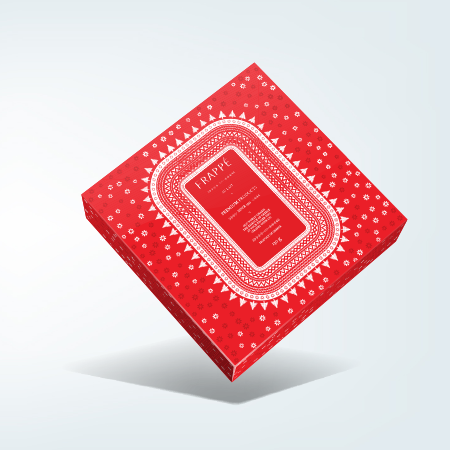
Smart geometry refers to designing packaging in a way that delivers maximum strength and functionality with the least amount of material. The goal here is not merely to make the package smaller; rather, it is to eliminate unnecessary material usage through the correct form, the right angles, and the optimal distribution of surfaces. Cubic or prismatic forms are among the most well-known examples of this approach, as these geometries minimize void space while maximizing stacking and transportation efficiency.
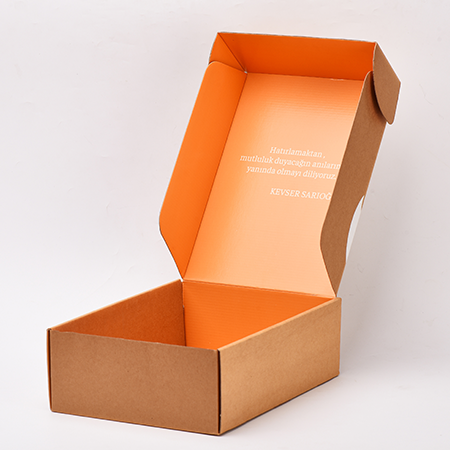
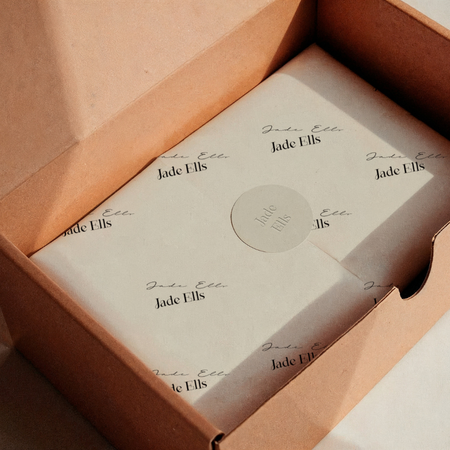
The first step in achieving material savings in packaging is to analyze the product–package fit accurately. Designs created without considering the product’s volume, weight, and level of sensitivity often result in packaging that is larger than necessary. Smart geometry, by contrast, aims for a one-to-one relationship between the package and the product, leaving neither excessive empty space nor applying pressure to the product. In doing so, it reduces the amount of material used and minimizes the need for additional filling materials.
Structural folding techniques are also a significant component of this approach. Cardboard or corrugated packaging reinforced with correct folding angles can offer high load-bearing strength without the need for thicker materials. Hexagonal and honeycomb-like geometries are among the solutions that enhance material efficiency, particularly in packaging that requires effective load distribution. Such structures increase physical durability while reducing overall raw material consumption.
Smart geometry contributes to resource savings not only during production but also throughout logistics processes. Packaging designed in accordance with standard dimensions optimizes pallet and container layouts. Being able to transport more products in less space indirectly reduces fuel consumption and carbon footprint. That creates a strategic advantage, especially for industries that handle high-volume shipments.
Digital design and prototyping technologies have made the smart geometry approach more accessible. Through simulations, different geometric variations of a package can be tested, and criteria such as strength, material usage, and stackability can be analyzed before production begins. That prevents waste caused by trial-and-error processes.
In summary, minimal resource use in packaging is not merely an environmental preference but a technical approach supported by sound geometric thinking. By accurately structuring the unseen mathematics of packaging, smart geometry enables material savings while placing industrial efficiency on a sustainable foundation.
At LuxBoxPack, we provide packaging solutions tailored to the evolving needs of our clients in different sectors. Contact us at +90 212 438 82 15 to get detailed information about our product range.