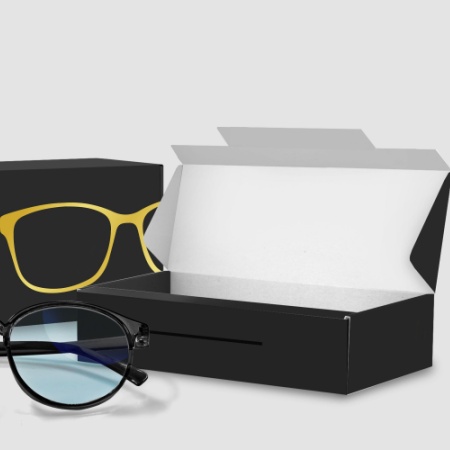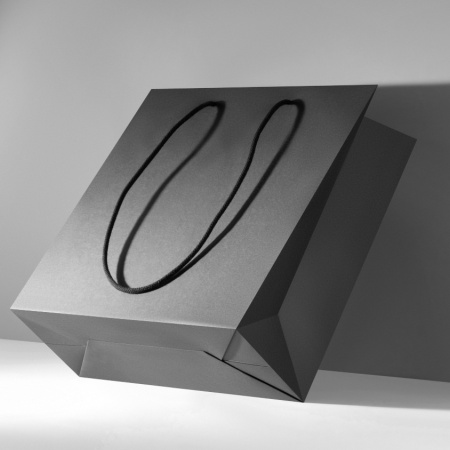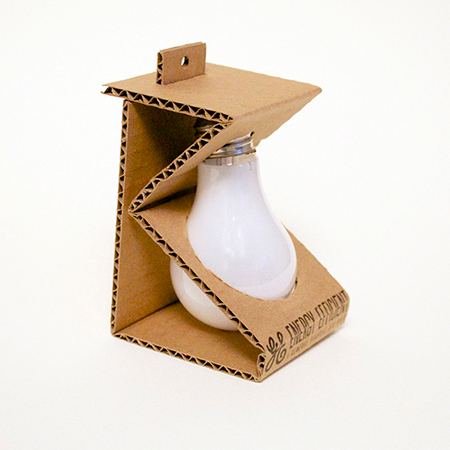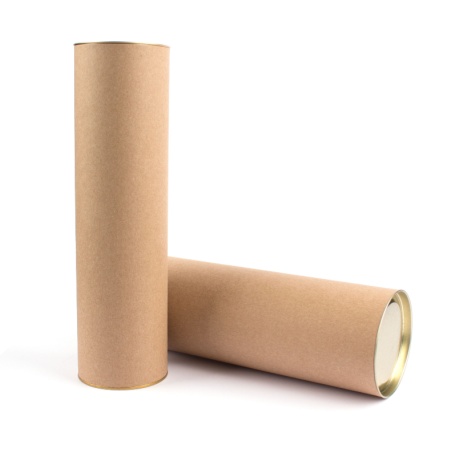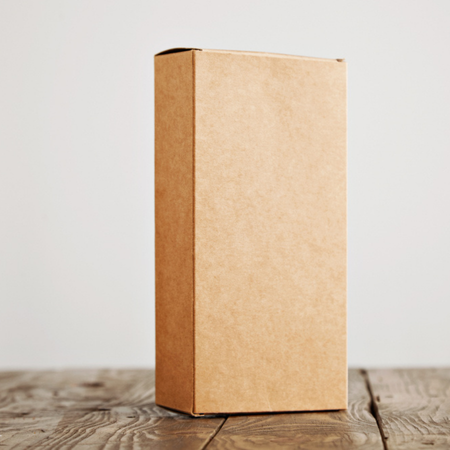

In packaging design, visibility is often considered an important factor in attracting attention to a product. However, certain product categories may require the opposite approach. Consumers may not want the products they purchase or receive to be identifiable by people around them. In such cases, packaging must not only protect the product but also meet consumers' expectations of privacy. Particularly with the growth of e-commerce, determining how much information outer packaging should reveal has become an important consideration in the design process.
Which Products Require Greater Privacy?
Personal care and hygiene products, healthcare supplies, underwear, and certain adult-oriented product categories are among those in which consumers may be more sensitive about privacy.
Although purchasing these products is a normal consumer activity, having their contents revealed to others during delivery may cause discomfort for some individuals. This sensitivity can be particularly pronounced in shared living spaces, workplaces, or situations where deliveries are received by third parties.
The need for privacy is not solely related to the nature of the product. Consumers' personal preferences, living environments, and delivery conditions can also influence their expectations.
How Can Privacy Be Ensured Through Outer Packaging?
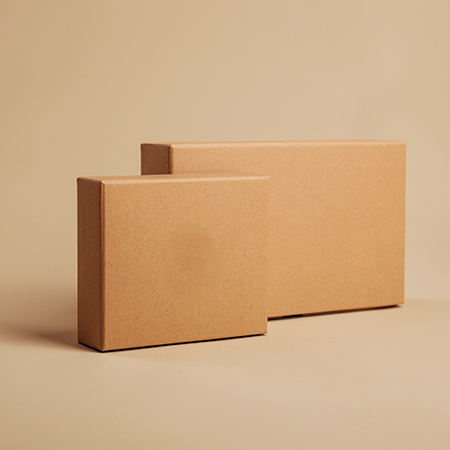
The fundamental approach to privacy-focused packaging design is to limit elements that make the product's contents identifiable from the outside. Simple, neutral surfaces can be preferred over product images, category descriptions, or prominent branding.
Using opaque materials helps prevent the contents of the packaging from being visible. Similarly, boxes or packages that do not directly reveal the product's shape can make it more difficult to identify what is inside.
Shipping labels are also an important part of this approach. Avoiding unnecessary descriptions that reveal the nature of the product on shipping labels can help maintain privacy throughout the delivery process. However, sender information and any disclosures required by regulations must still be included.
The Relationship Between Privacy and User Experience
Packaging that ensures privacy can help consumers feel more comfortable and in control during the delivery experience. However, privacy-focused design does not mean eliminating all information about the product.
While outer packaging can maintain a simple and discreet appearance, essential information regarding the product's use, safety, and features can be provided on the inner packaging or through appropriate informational materials - this approach helps establish a balance between privacy expectations and information requirements.
In summary, privacy in packaging offers a different perspective on the idea that every product should be as visible as possible. In certain categories, successful packaging design is less about attracting attention and more about avoiding unnecessary attention.
At LuxBoxPack, we provide packaging solutions tailored to the evolving needs of our clients in different sectors. Contact us at +90 212 438 82 15 to get detailed information about our product range.