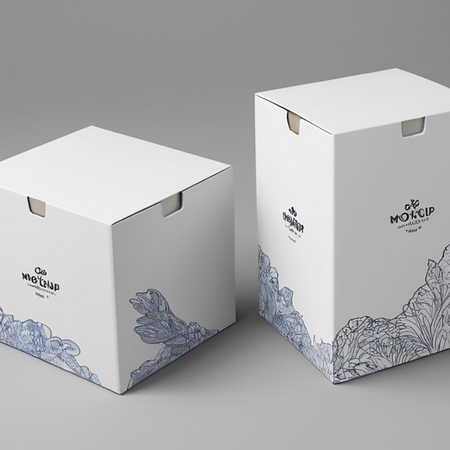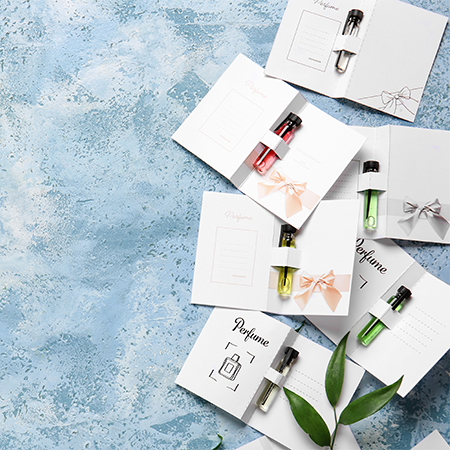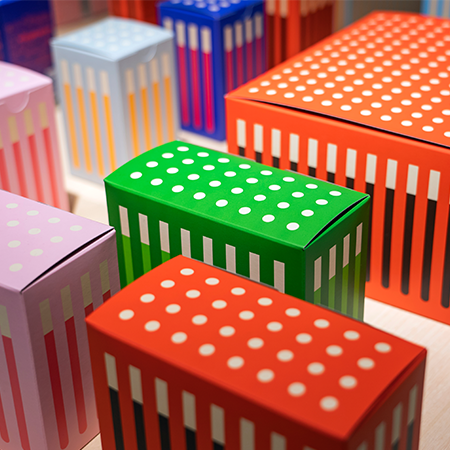


In packaging design, the empty space surrounding a product often serves an important protective function. Particularly during transportation and storage, a certain amount of clearance or cushioning material may be necessary to protect products against impacts. However, from a consumer’s perspective, this same empty space may suggest unnecessary material consumption or a product presented as larger than it actually is. This creates a delicate balance between the functional requirements of packaging and consumer expectations.
Why Is Protective Space Necessary?
The space between a product and the outer surface of its packaging can help reduce the effects of vibrations and impacts during transportation. For fragile product categories such as glassware, ceramics, and sensitive electronic devices, this space is considered alongside protective cushioning materials.
However, the amount of empty space alone does not guarantee protection. The shock-absorbing capacity of the materials used, the product’s weight, and its positioning within the packaging are also determining factors. Leaving excessive room for movement may cause the product to shift inside the package, increasing the risk of damage.
When Is Empty Space Perceived as Waste?
When consumers open a package, they may compare the quantity of the product inside with the expectations created by its external appearance. Particularly in food, cosmetics, and personal care products, finding less product than expected inside oversized packaging can create a misleading impression of how much the package contains.
Similarly, receiving a small product in an unnecessarily large e-commerce shipping box may also be perceived negatively. Excessive use of cardboard, plastic, or cushioning materials may lead consumers to question the environmental impact of the packaging.
At this point, the key consideration is not simply the presence of empty space, but whether that space serves a purpose consumers can understand.
How Is the Appropriate Packaging Size Determined?
Determining the appropriate packaging size requires a comprehensive assessment of the product’s physical characteristics, transportation conditions, and protective requirements.
For fragile products, the necessary amount of protective space can be determined through impact testing, vibration analysis, and evaluations of different transportation scenarios. For durable products, packaging can often be designed to fit more closely around the product’s geometry.
Additionally, foldable support structures, molded protective components, and custom-designed internal compartments can help provide protection without creating unnecessary volume.
Balancing Protection and Material Efficiency
Completely eliminating empty space inside packaging is not always the right approach. What matters is determining how effectively the space provided contributes to the package’s protective function.
Properly sized packaging can reduce not only material consumption but also the space required for storage and transportation. This allows packaging design to achieve a more balanced relationship between product safety, consumer expectations, and resource efficiency.
At LuxBoxPack, we provide packaging solutions tailored to the evolving needs of our clients in different sectors. Contact us at +90 212 438 82 15 to get detailed information about our product range.