Premium packaging design is a specialized field where aesthetic concerns and functional requirements meet in a delicate balance. In this segment, packaging is not merely a surface that protects the product - it is a strategic element that elevates perceived value, guides the user experience, and reflects the brand’s stance. When the relationship between form and function is not properly constructed, even a visually striking package can lead to disappointment at the point of use.
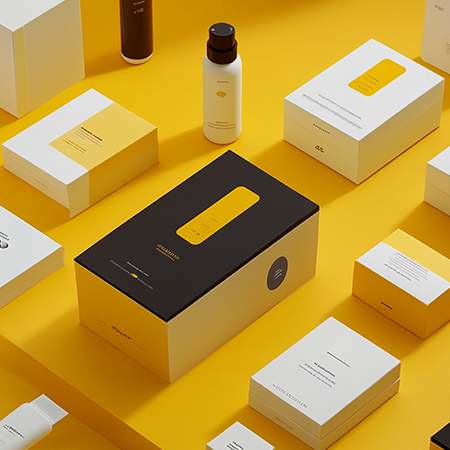
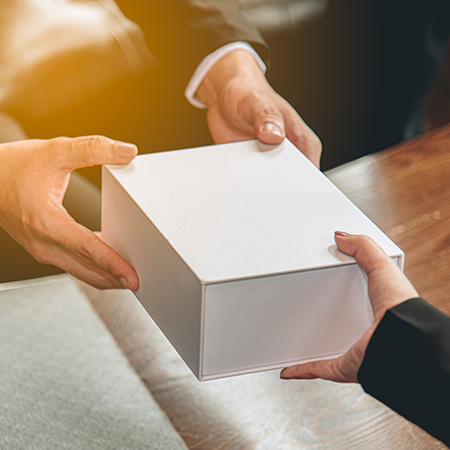
Form defines the impact a package creates at first glance. Geometric structure, proportions, surface details, and overall silhouette directly influence the product’s premium perception. Sharp lines evoke a sense of strength and clarity, while soft transitions create a more refined and inviting effect. However, in premium packaging, form should be designed not only to attract attention but also to facilitate interaction with the product. The way the package feels in hand, its opening direction, and its ergonomic usability reveal how well form aligns with function.
Function, on the other hand, is the unseen layer that determines the experience. Protecting the product from external factors, ease of transportation and storage, reclosability, and dosage control are all evaluated within this scope. In the premium segment, these functions should not appear as overt technical necessities, but rather be resolved as a natural part of the design. The user perceives the functionality offered by the packaging without having to make a conscious effort.
Material selection is one of the most critical decision points in the relationship between form and function. Glass, metal, and cardboard each create different perceptions and usage scenarios. For instance, a heavy and solid material enhances the sense of quality, while lightweight yet durable solutions provide comfort in use. In premium packaging, this choice is made not solely on the basis of cost or aesthetics, but by considering factors such as frequency of use, target audience expectations, and environmental impact.
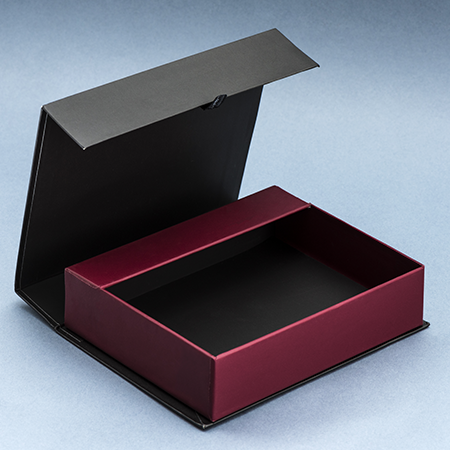
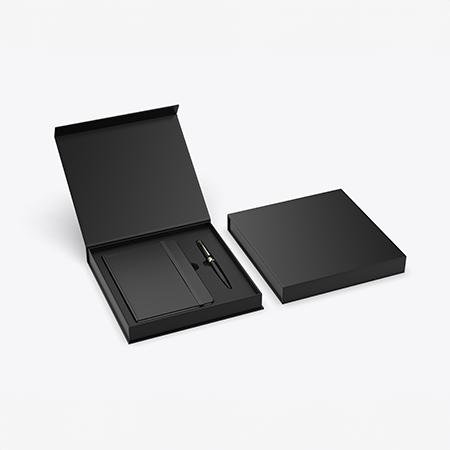
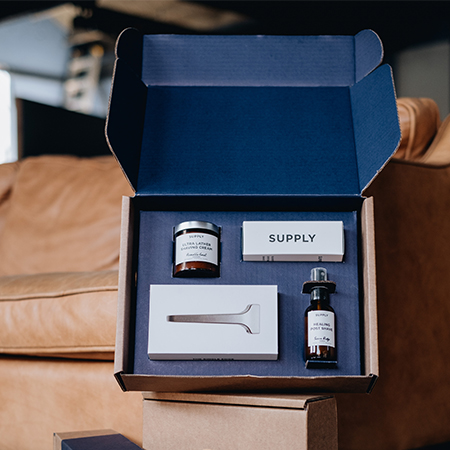
Opening and closing mechanisms are also a significant part of this relationship. Magnetic closures, concealed locking systems, or layered opening structures offer the user a controlled and satisfying experience. Such details elevate the packaging as an object and extend the time spent with the product. However, overly complex solutions can turn into usability challenges rather than reinforcing a premium perception.
In short, in premium packaging design, form and function are not competing elements but complementary ones. Aesthetic decisions should not overshadow functional needs, and functional solutions should not weaken the design language. Successful premium packaging is the result of a design approach in which these two concepts work in harmony - simple, balanced, and centered on the user.
At LuxBoxPack, we provide packaging solutions tailored to the evolving needs of our clients in different sectors. Contact us at +90 212 438 82 15 to get detailed information about our product range.