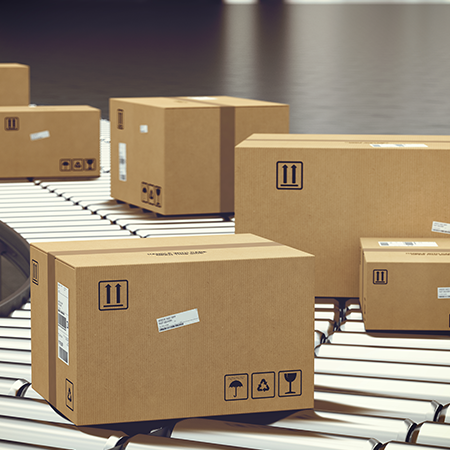
For many years, packaging was approached primarily within the framework of functional requirements such as protecting and transporting the product. Today, however, for the modern consumer, packaging is no longer merely a layer that encloses the product - it has become the first point of contact with the brand and a multisensory space where perception is shaped. Activating senses such as sight, touch, hearing, and even smell simultaneously transforms packaging from a passive protector into an active communication tool.
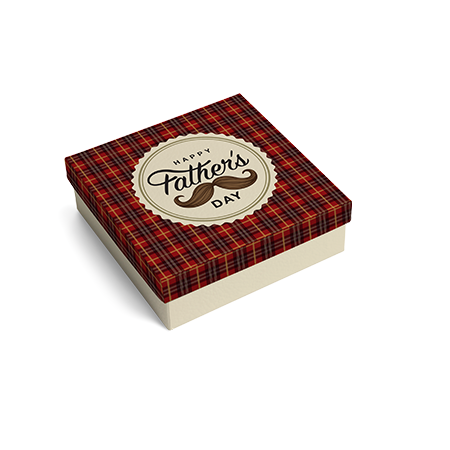
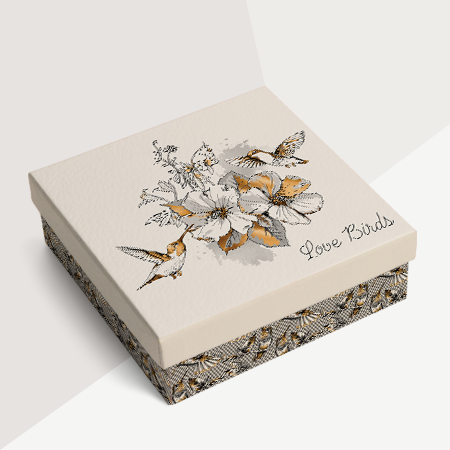
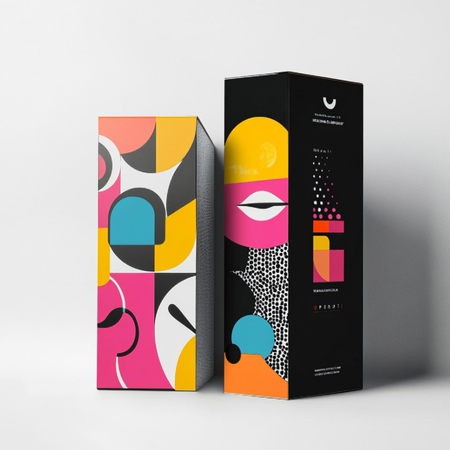
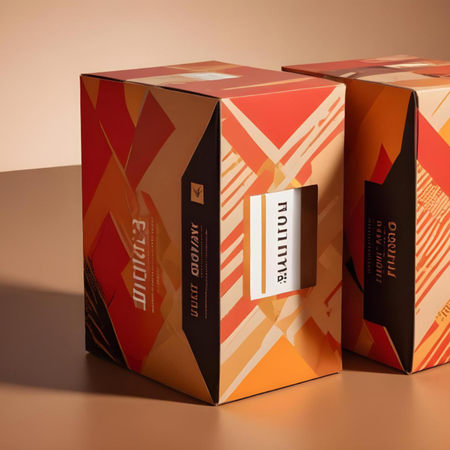
At the core of the multisensory packaging experience lies visual perception. Colors, typography, graphic language, and the use of negative space provide the first cues about the product’s positioning. Choices such as matte or glossy surfaces, minimal or dense design approaches directly influence how the consumer perceives the product. Yet visual design alone is not sufficient. The experience offered by packaging deepens the moment the consumer touches the product. The texture of paper, the rigidity of plastic, surface embossments, or special cut-outs subtly shape perception at a subconscious level. Tactile details generate strong signals regarding the product’s quality and reliability.
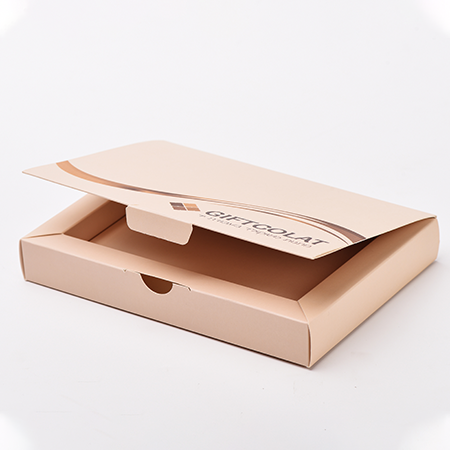
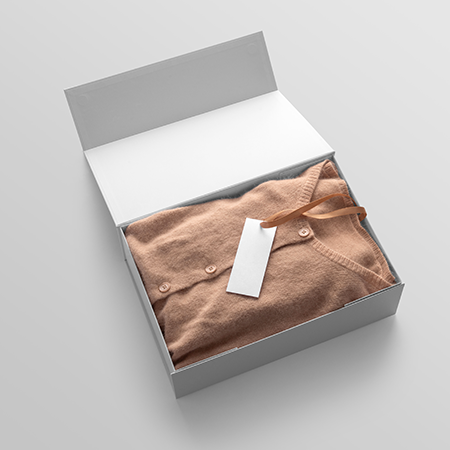
Auditory perception is often overlooked, yet it is a crucial layer that completes the experience. The sound a box makes when opened, the feedback of a locking mechanism, or the tone created when the packaging is closed conveys intuitive messages about the product to the user. A controlled and satisfying sound reinforces the impression that the packaging has been carefully designed. For this reason, packaging design requires not only visual consideration but also mechanical and structural planning.
Smell, on the other hand, is one of the most powerful yet most carefully managed elements of the multisensory experience. Even when no fragrance is deliberately added, the natural scent of the material used can be one of the first sensations perceived when the package is opened. Especially in food, cosmetics, and personal care products, this factor can positively or negatively determine product perception. Therefore, material selection should be evaluated not only in terms of durability and cost, but also with regard to sensory impact.
When constructing a multisensory packaging experience, what matters is not that the senses overpower one another, but that they form a balanced whole. An excess of stimuli can lead to perceptual confusion, while insufficient stimulation can render the packaging ordinary. A successful packaging experience subtly guides the consumer and makes the product memorable. Ultimately, packaging is not merely the outer surface of a product, but the brand’s silent yet indispensable storyteller.
At LuxBoxPack, we provide packaging solutions tailored to the evolving needs of our clients in different sectors. Contact us at +90 212 438 82 15 to get detailed information about our product range.