Sustainability has moved beyond being a mere preference in the packaging industry - it has become a strategic necessity situated at the intersection of environmental responsibility, regulatory requirements, and consumer expectations. At the heart of this transformation lie eco-friendly packaging solutions and the correct selection of materials that make these solutions possible. However, it is not accurate to say that every packaging material defined as “eco-friendly” is equally suitable for every product and sector. For this reason, material selection requires a multidimensional evaluation process.
The first and most fundamental criterion in eco-friendly packaging is the material’s life cycle impact. The environmental impact of a package is not limited solely to the post-use waste stage - the extraction of raw materials, the production process, transportation conditions, and recycling potential are also part of this impact. For example, a recyclable material may largely lose its environmental advantage if its production requires high energy consumption. At this point, scientific assessment methods such as life cycle analysis enable objective decision-making.
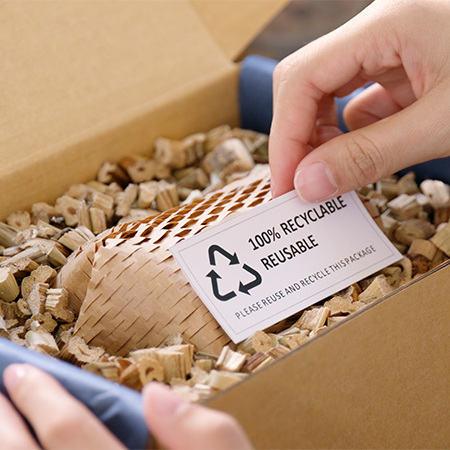
Another significant criterion is recyclability and reuse potential. Monomaterials, packaging produced from a single type of raw material, offer higher efficiency in recycling processes. In contrast, packaging that uses multilayer structures or combines different materials may be environmentally disadvantageous due to separation difficulties. Similarly, refillable or reusable packaging designs provide effective solutions for reducing waste volumes.
Functionality is a critical criterion in eco-friendly packaging that is often overlooked. A package ceases to be a sustainable solution if it cannot adequately protect the product. Product loss, especially in food and sensitive goods, significantly increases environmental impact. Therefore, the protective properties, durability, and contribution to shelf life of the selected material must be carefully evaluated. The right material should both reduce environmental impact and guarantee product safety.
Regulatory requirements and certifications also play a decisive role in material selection. Packaging used in sectors such as food, cosmetics, and medical products must comply with specific standards and regulations. Certifications such as FSC, PEFC, or similar schemes provide essential indicators that the raw materials used are sourced from sustainable resources. These certifications are valuable not only from an environmental perspective but also in terms of transparency and traceability.
Finally, economic sustainability must be taken into consideration. The long-term applicability of eco-friendly packaging solutions depends on establishing the correct cost–benefit balance. Some materials that appear to have high initial investment costs may offer significant advantages in areas such as waste management, logistics, and brand reputation over the long term.
In summary, selecting the right material for eco-friendly packaging requires the combined evaluation of criteria such as environmental impact, functionality, regulatory compliance, and economic sustainability. When an informed and holistic approach is adopted, it becomes possible to develop packaging solutions that are both environmentally responsible and operationally robust.
At LuxBoxPack, we provide packaging solutions tailored to the evolving needs of our clients in different sectors. Contact us at +90 212 438 82 15 to get detailed information about our product range.