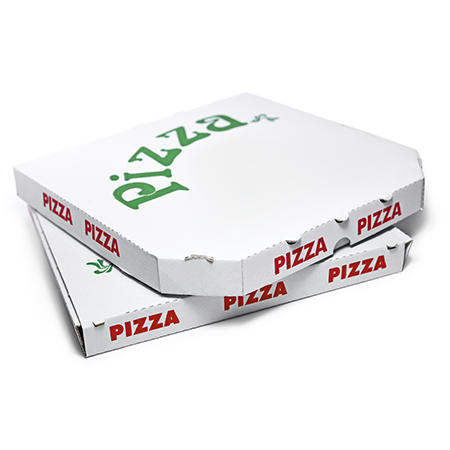
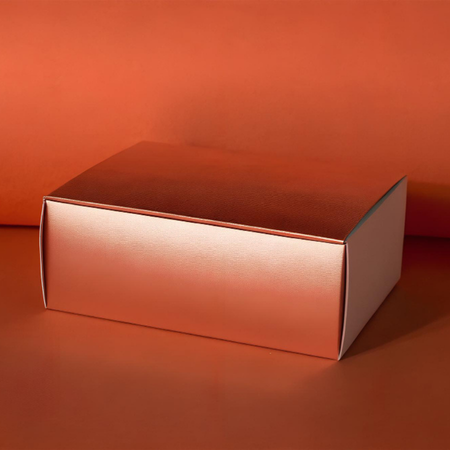

In packaging design, color, shape, and material choices are generally evaluated based on how a product looks at first glance. However, the visual impact of packaging continues even after it comes into contact with the user. Fingerprints, stains, and scuff marks that develop when a box is opened, carried, or reused can alter its original appearance. Therefore, evaluating how packaging looks after use, rather than focusing solely on its appearance immediately after production, is an important part of the design process.
Why Do Fingerprints Become Visible on Packaging Surfaces?
Oils, sweat, and other residues naturally present on human skin can transfer to surfaces through touch. The visibility of these residues depends on the material's texture, color, gloss level, and surface treatments.
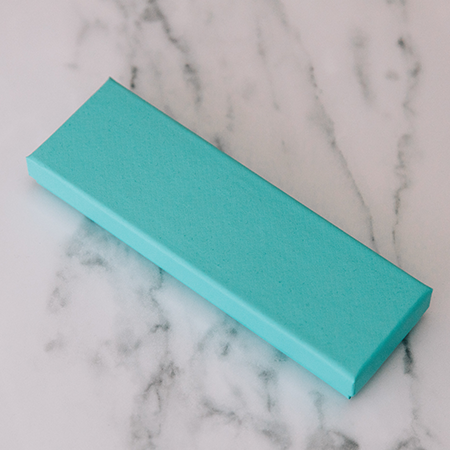
Fingerprints are particularly noticeable on dark-colored, smooth, and glossy surfaces. However, matte finishes do not always offer an advantage. Some soft-touch coatings can develop visible marks when they come into contact with skin oils. Therefore, whether a surface is matte or glossy does not, by itself, determine its resistance to fingerprints.
How Does Surface Selection Affect the User Experience?
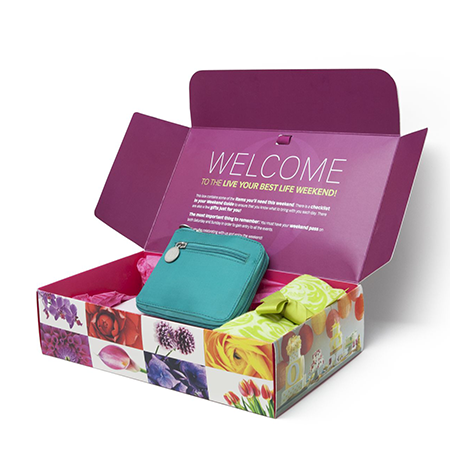
The surface properties of packaging should be evaluated in relation to how the product is used. For example, cosmetic packaging, electronic accessory boxes, and gift boxes intended for storage may continue to be handled long after they are first opened.
For such packaging, maintaining a clean appearance is important for ensuring a consistent user experience. Textured papers, certain types of lamination, and coatings designed to reduce fingerprint visibility can offer different solutions. However, each material has distinct characteristics regarding wear resistance, stain retention, and ease of cleaning.
Can Premium Perception Be Maintained After the First Touch?
In premium packaging, surface quality is one of the factors influencing a product's perceived value. A box that appears flawless at first glance but develops visible marks after just a few touches may lose some of the aesthetic consistency intended by its design.
This issue becomes particularly noticeable on large, solid-colored surfaces. Textural variations, controlled patterns, and appropriate surface treatments can help reduce the visibility of fingerprints. The objective is not necessarily to eliminate every mark but to ensure that the packaging maintains a visually balanced appearance throughout its use.
What Tests Should Be Conducted Before Production?
Digital designs and initial print samples alone are not sufficient to evaluate surface performance. Physical samples can undergo repeated handling, rubbing, and carrying tests.
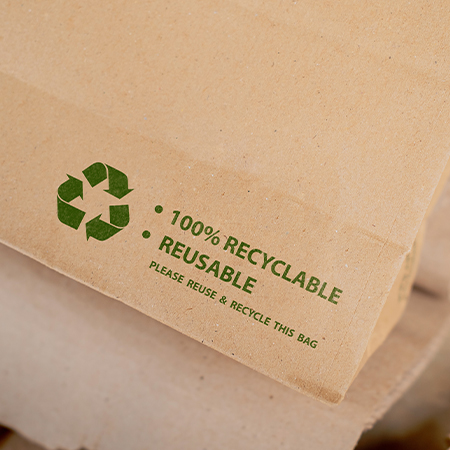
Examining surfaces under different lighting conditions makes it easier to identify visible marks, particularly on dark-colored materials. In addition, criteria such as recyclability, production costs, and material compatibility should be considered when selecting surface coatings.
In summary, the actual performance of packaging should be evaluated beyond its initial appearance. Incorporating surface quality after use into the design process helps maintain aesthetic consistency while supporting a positive user experience.
At LuxBoxPack, we provide packaging solutions tailored to the evolving needs of our clients in different sectors. Contact us at +90 212 438 82 15 to get detailed information about our product range.